How to Shoot Music Festivals in 2026
Where do I start? The Beginning…
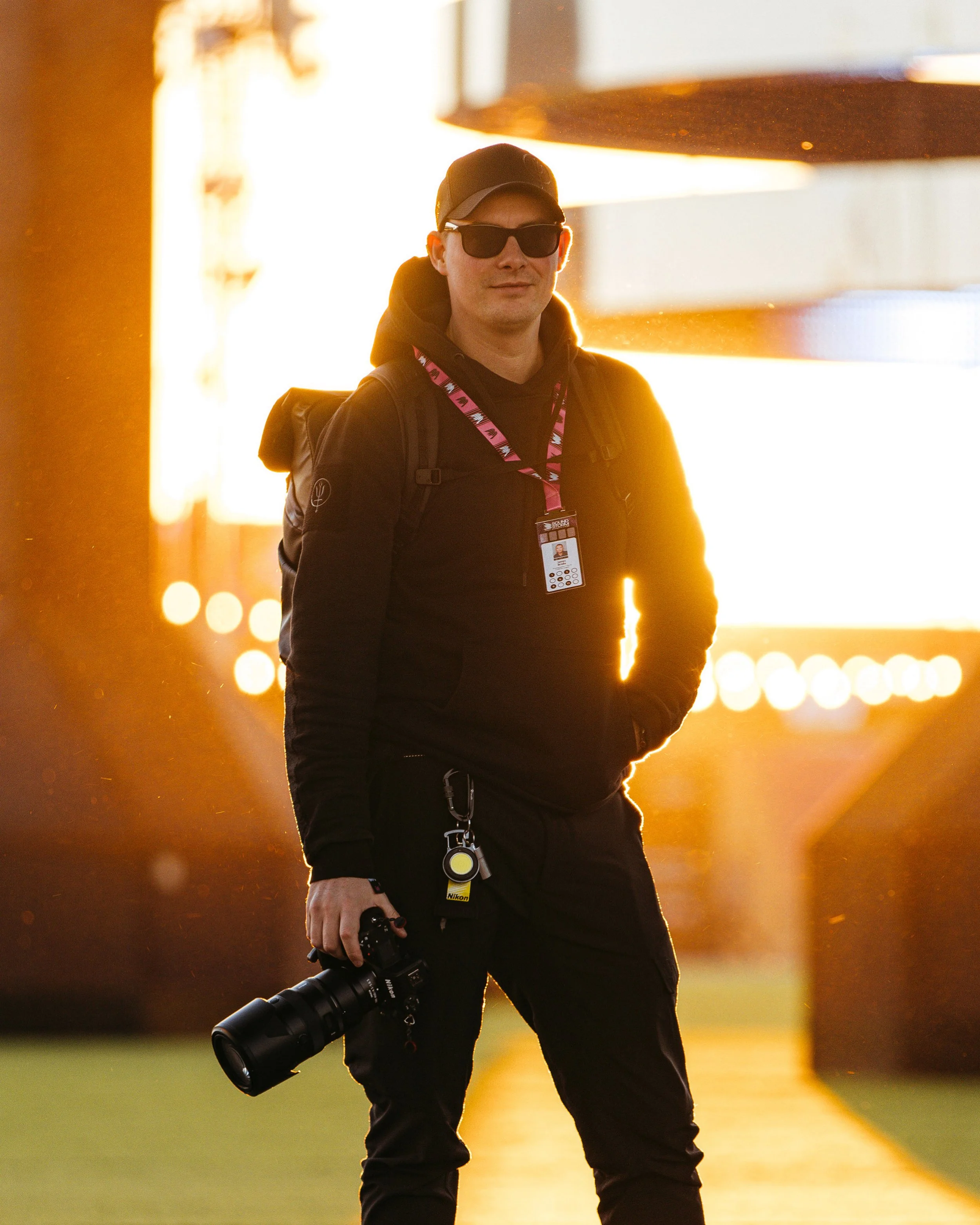
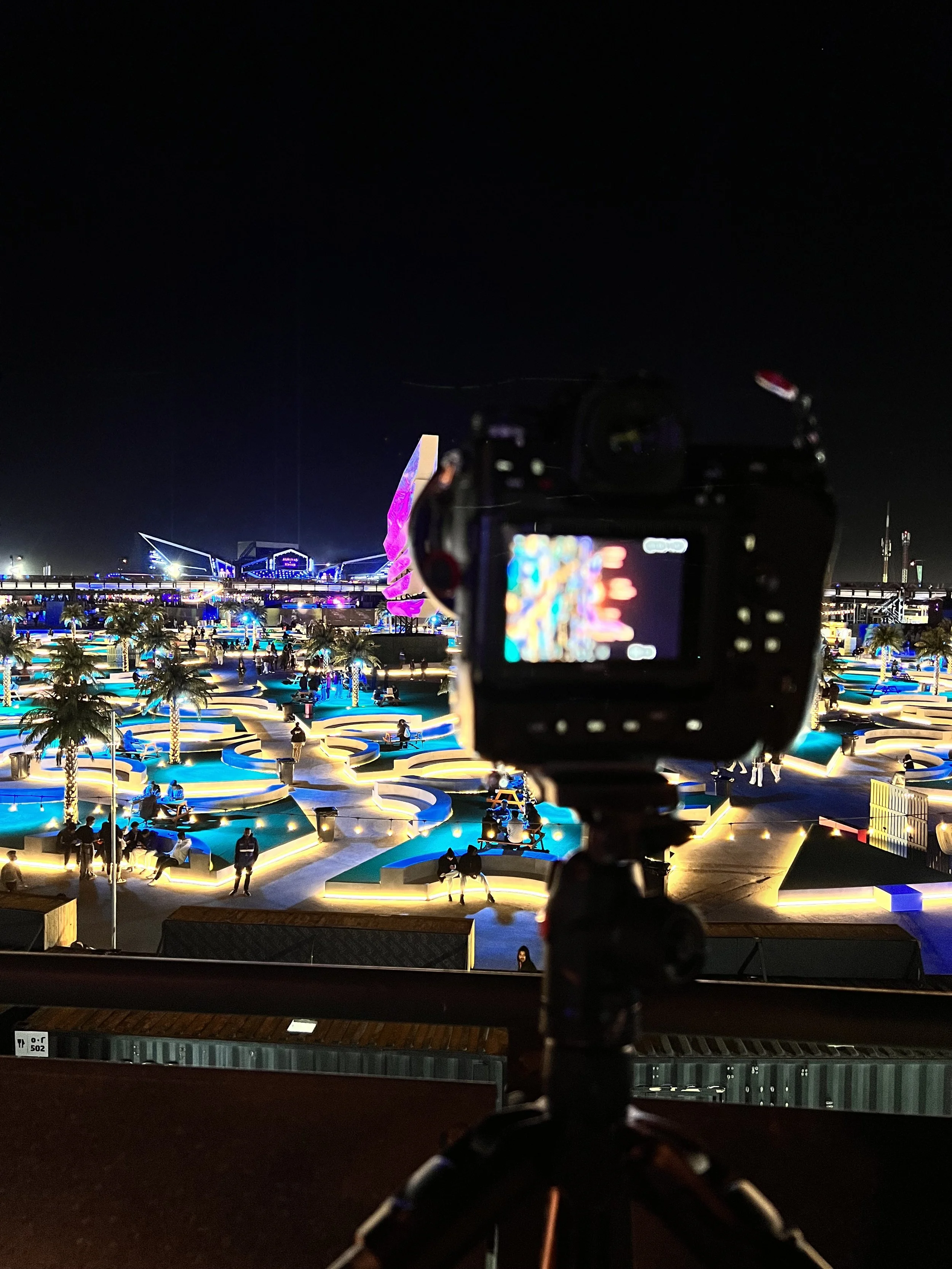
James Bridle at work in Saudi Arabia 2023
The Beginnings
Festival photography has been a passion of mine for the past 15 years, working to capture all the necessary content that brands and festivals need to promote small, medium and large events for the next year. With that said, everyone needs to start somewhere. I did many years ago and I can say with confidence even as a seasoned professional, its never been harder to get paid work in the music festival space in 2026. So where do you start? You might not like it but you start at the bottom, unless you have a very diverse portfolio in another subject which is directly related to music festival work - the bottom is where you start your journey. Its not all bad though, Its important to remember that the journey is what you’re looking for here not the destination.
The rewards for getting your first big gig in music is one of the most rewarding feelings in the world. That comes with the knowledge and feeling that you’ve done the work prior and can operate in those areas confidently. Even if you don’t feel it when the time comes, if you have the experience to know you’ve done this before and know you can do it again, then you’re already 50% there. Im a big supporter of going through the motions in the industry and those who jump to the big festivals and events too quickly…It shows in the work and the attitude. Things like stage and pit etiquette are key here. Basically Don’t be a D*ck. Is a good rule to live and work by.
Reaching out & what to look for..
Starting to reach out to people and potential paying customers is always a challenge, especially when you start out and your portfolio is still growing. (I know you want the big gigs.) But until you can show more work that demonstrates confidence in a very challenging and dynamic atmosphere, stick to the gigs that allow you to grow.
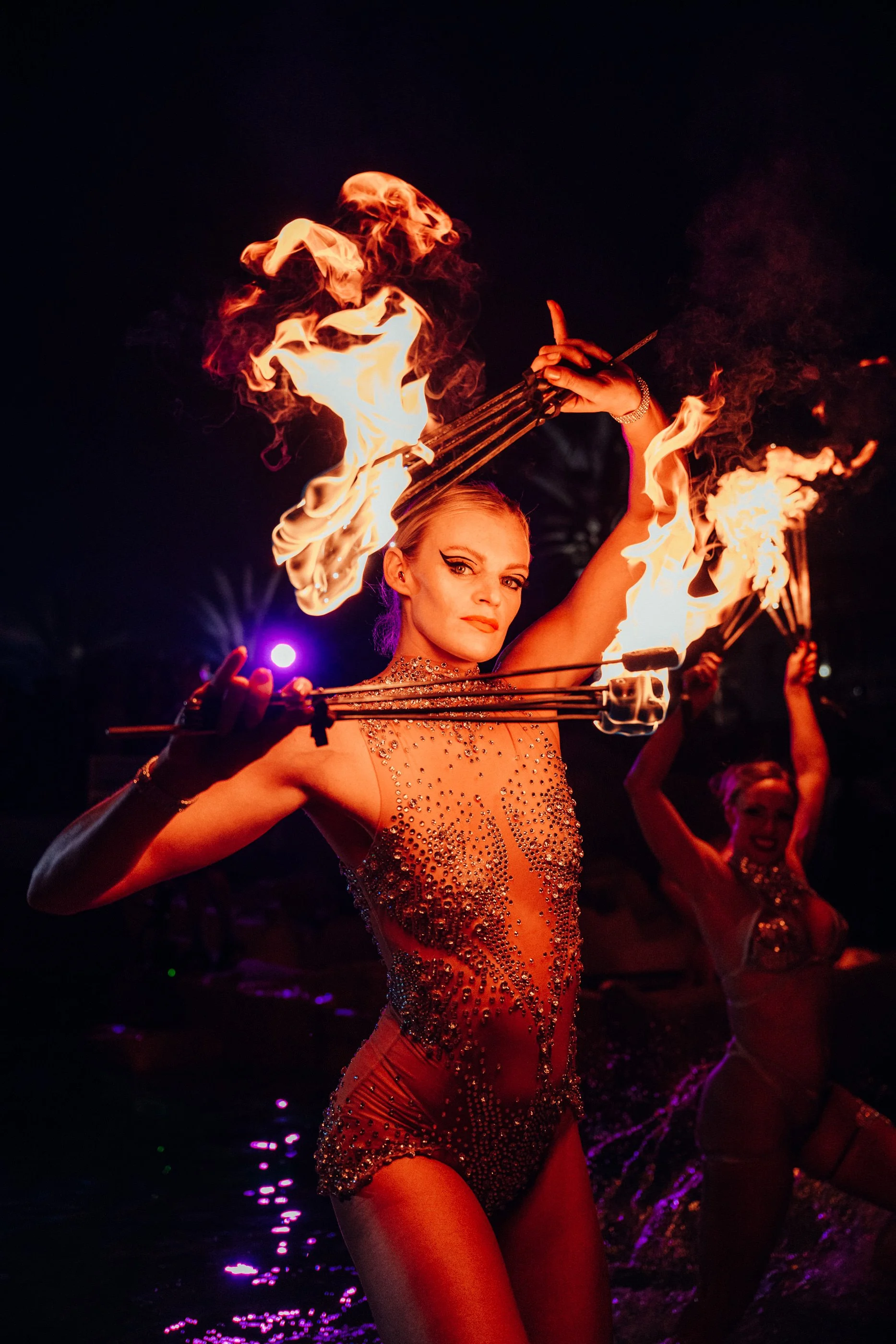
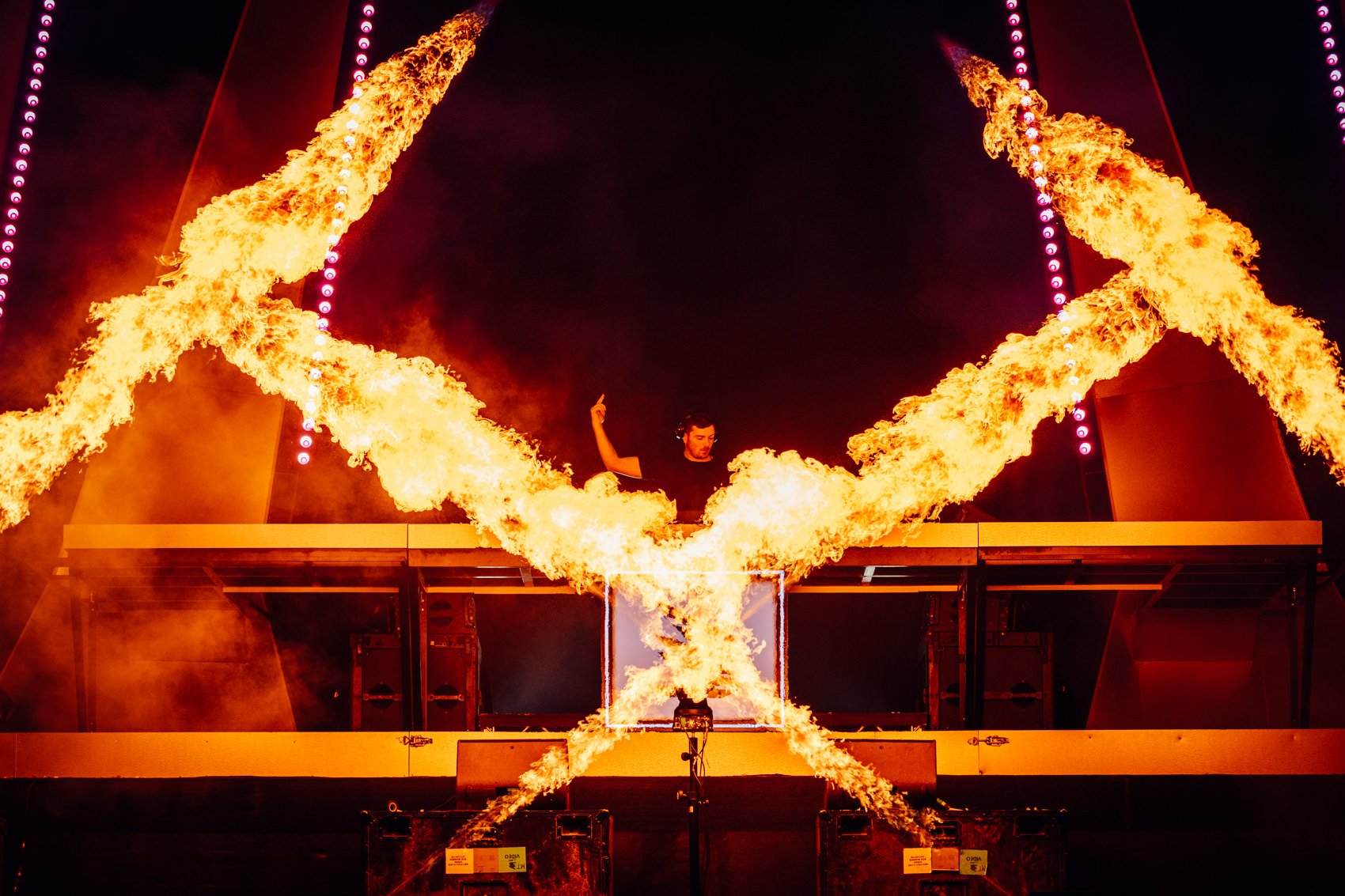
This might include local events and festivals, all of which give you a great start and help you build solid event work for the future. Look at areas such as artistic performances, theatre, fire shows, and fireworks — anything related to the music world that engages you with fast-paced, moving subjects. Technical ability becomes important down the road, so it’s great to learn this early.
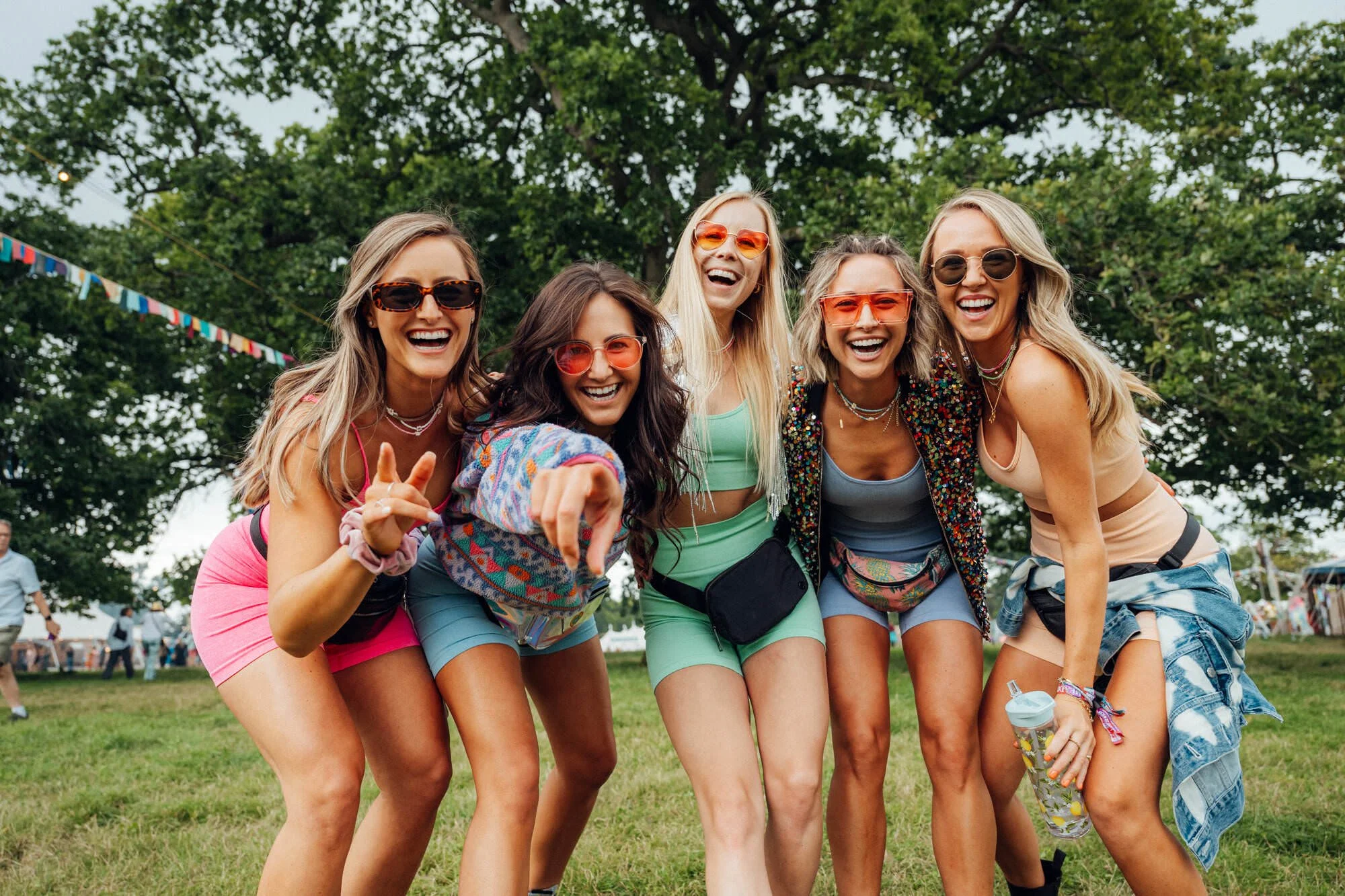
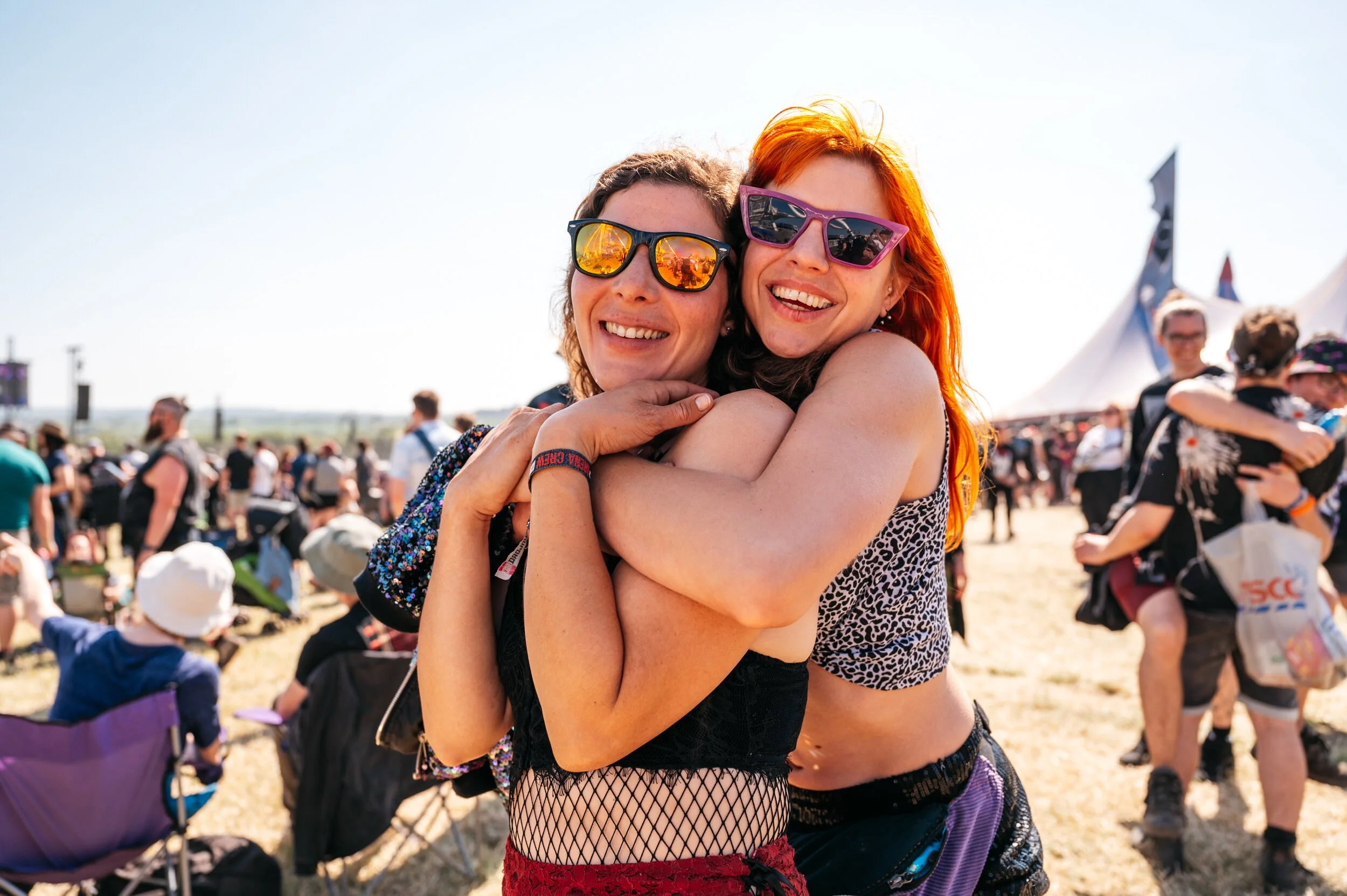
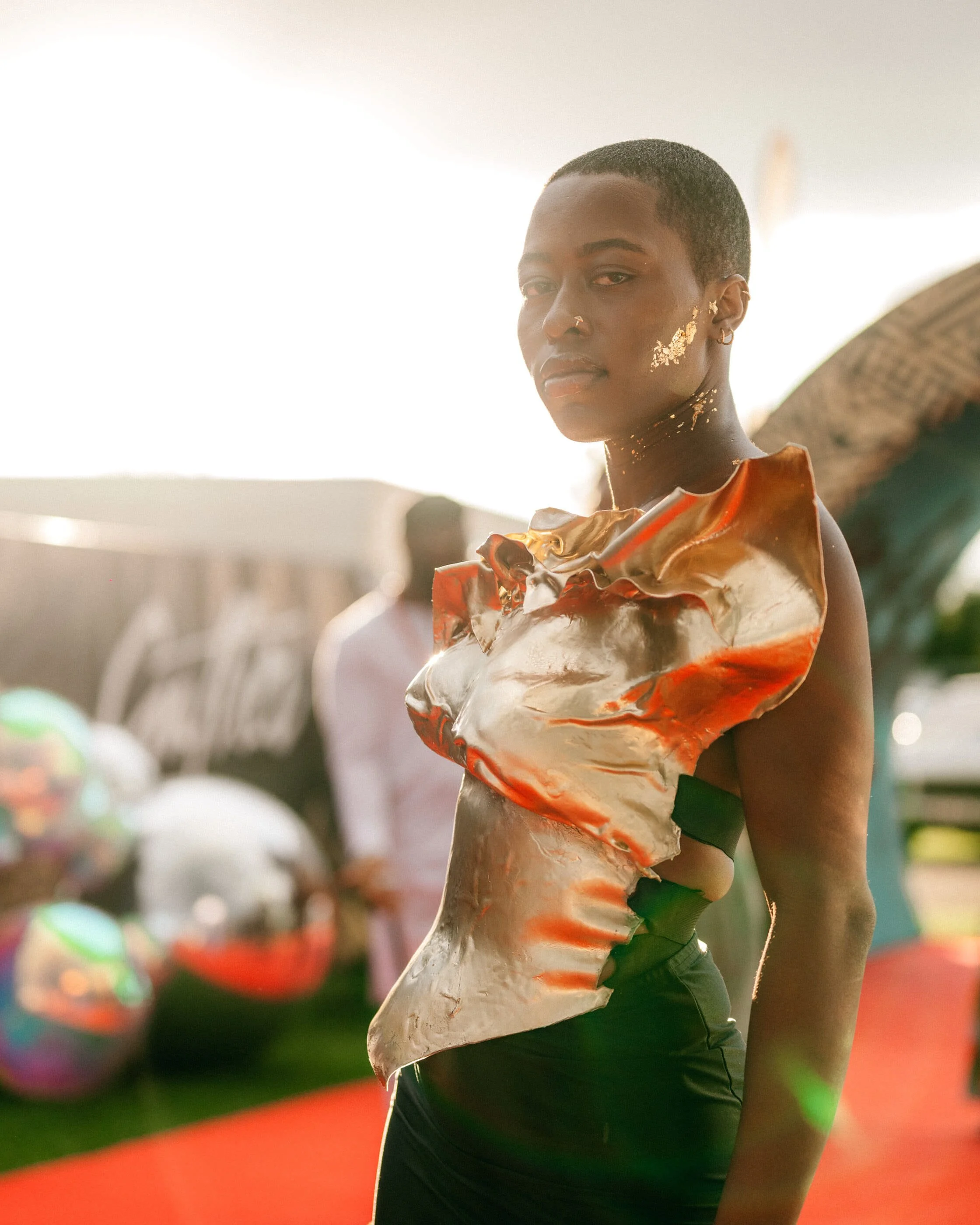
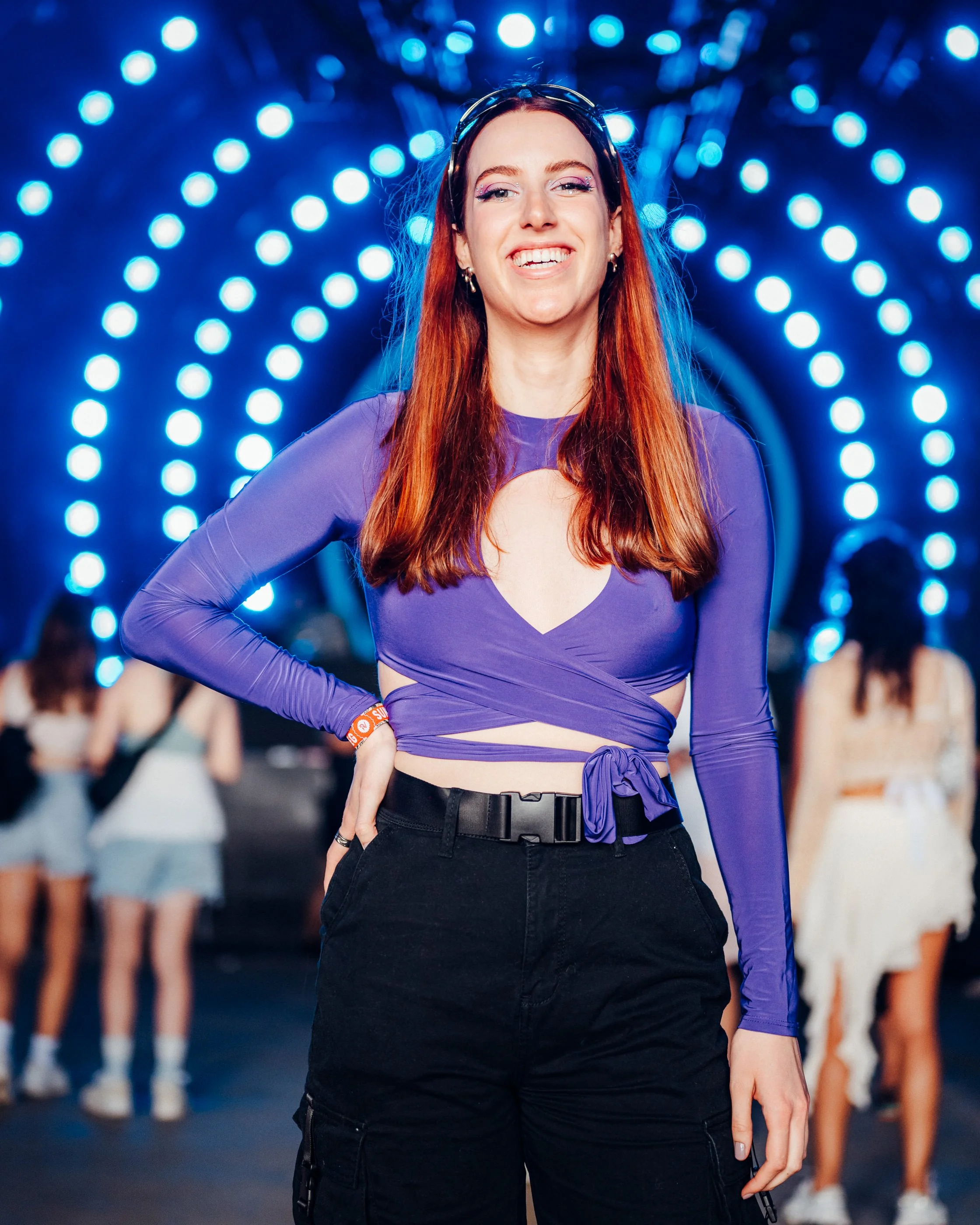
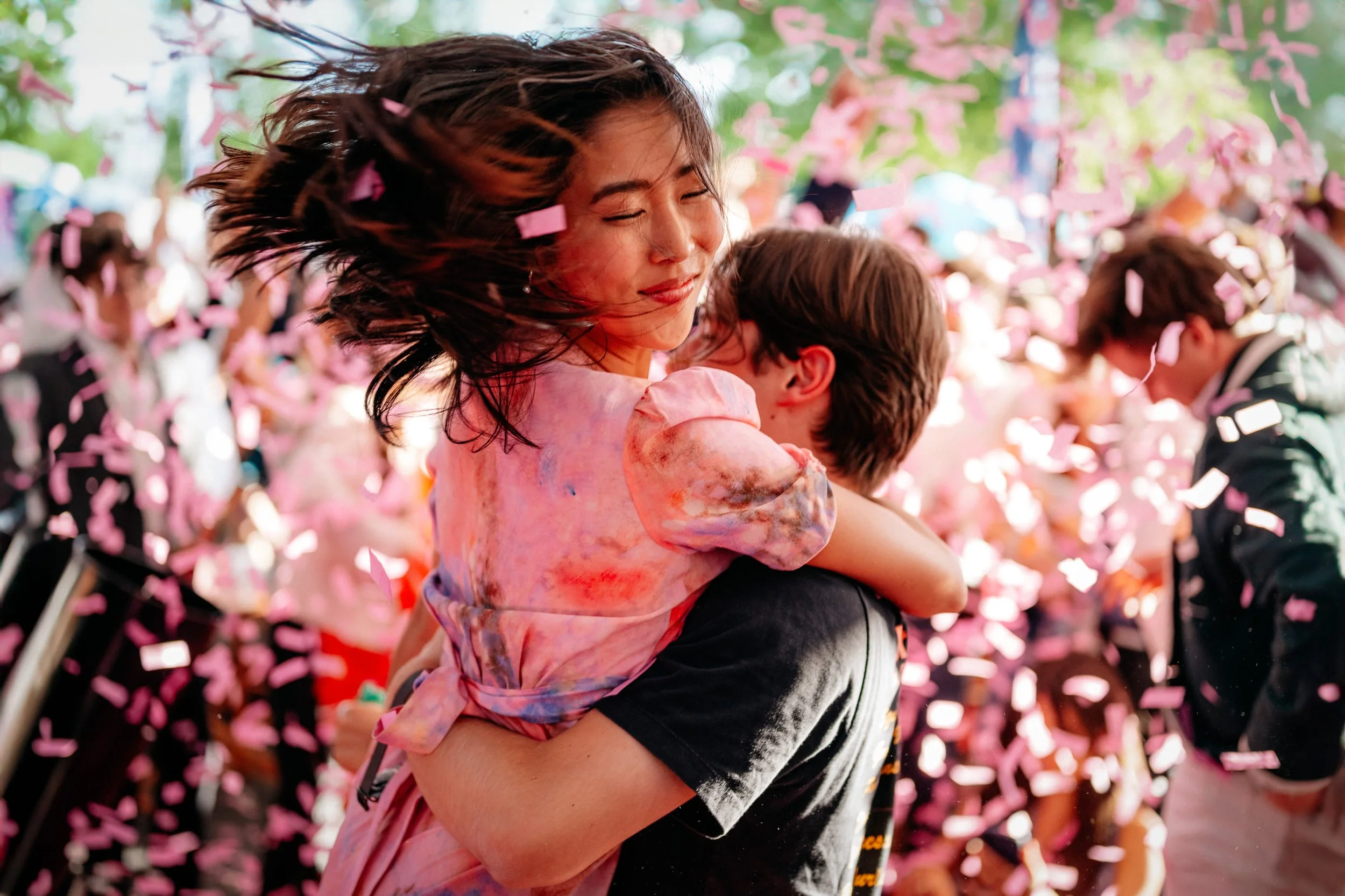
Applying to local music shows and bands is key. If you have any local venues (difficult in 2026) that host live performances, get in touch and tell them about your journey. Show examples of work you’ve taken, and think about the purpose of music photography and event coverage. What is it about, I hear you ask? It’s about promoting exciting, organic, beautiful imagery. The best photographers are selling a feeling of what it’s like to be at the event. Which is also why capturing diversity is important, everyone has their own reasons for going to a festival and every artist resonates differently with the crowd for different reasons. So when your roaming the fields look out for unique looks/people and try and keep things mixed.
That’s why the crowd at festivals and music events is just as — if not more important than the artist. I’ll say that again for the people in the back: the crowd matters more. The better you get at capturing the crowd and the relationship between the artist on stage and the people buying tickets, the better and more successful you will be at gaining access to bigger events.
Try to align with this viewpoint when communicating with potential clients. They’re very busy people, so be direct, confident, and show positive intent and understanding.
If you wanted to go a different route than this, then you’d be looking at portraiture and getting really good at creating unique portraits of artists. This direction is obviously more about the artist and their relationship with the crowd so its telling the story from the other side. Personally id try and get great at both, this way you have both options in your portfolio. Showing great crowd shots and then some key close ups of artists. Try and put yourself in the mindset of an artist or promoter of a festival or event, what imagery would you want to see in your email to market your festival for the following year.
Another route for access is sponsorship and charity organisations, these allow you basic access to the festival site. Giving you freedom to move around to capture content for the brands that are paying the festival to be there. Often its big company’s like credit or financial institutions, but it can be fun brands like Energy Drinks companies, soda companies, beer or wine companies etc. These often have interesting activations which you’d need to cover in order to complete the brief for the company. Charities will have their own briefs and directions but this gets you into the site, however you don’t usually get access to the Pit or stage with these passes. They just get you into the arena (FOH PASS) so you’d be shooting from the crowd if you had any free time between your roles. Depending on the brand too they often want nice, natural reportage shots of people interacting with the brands, and that can take longer than you think to get the right material. Dont think you can shoot sponsors, get any old rubbish and then go off to shoot your favourite bands.
What to wear?
Wearing blacks on stage and in the pit, is a must. Theres nothing worse than someone ruining your shot because they standing behind the artist with a white or bright colour shirt on. This can also be distracting for the artist when they’re looking down from stage, when they’re trying to connect to the crowd its distracting having a person dressed like a highlighter running around in their lower half of their vision. Another quick mention is respect, show respect for those around you. Who don’t know their story and everyone will have a Pass to be there so at that point everyone is equal. How you act in the pit will separate you from the others both, positively and negatively.
Getting the Gear
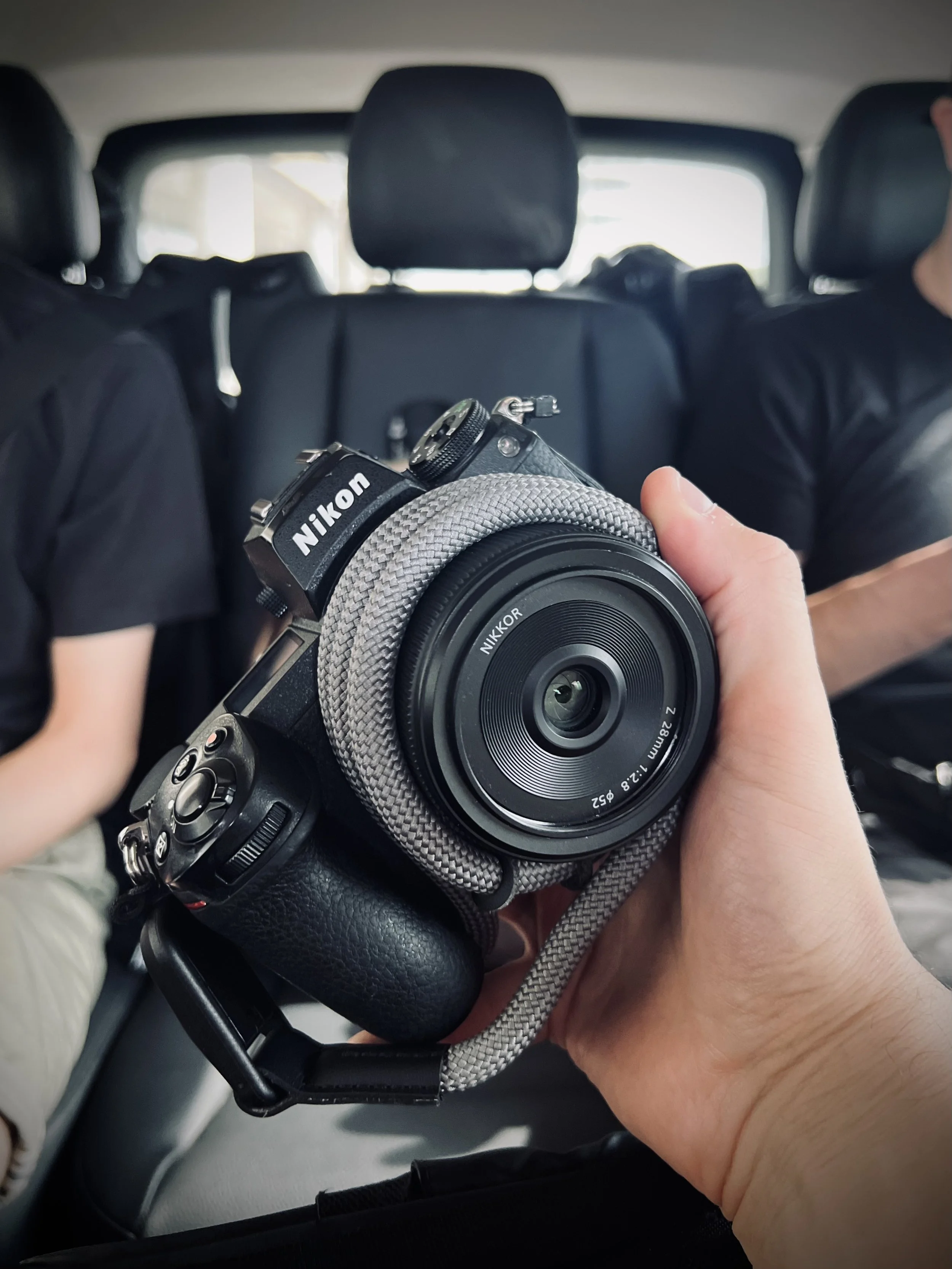
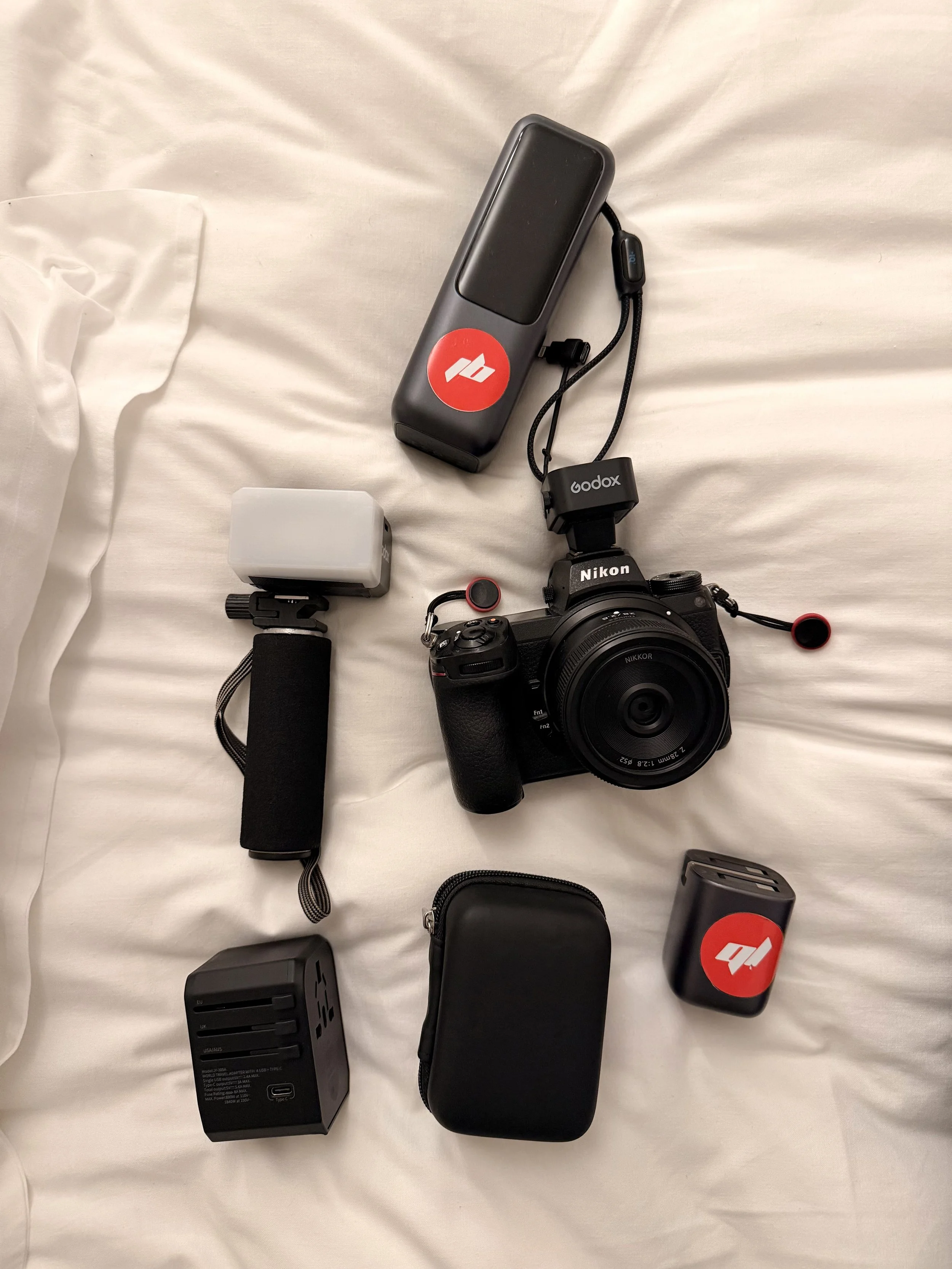
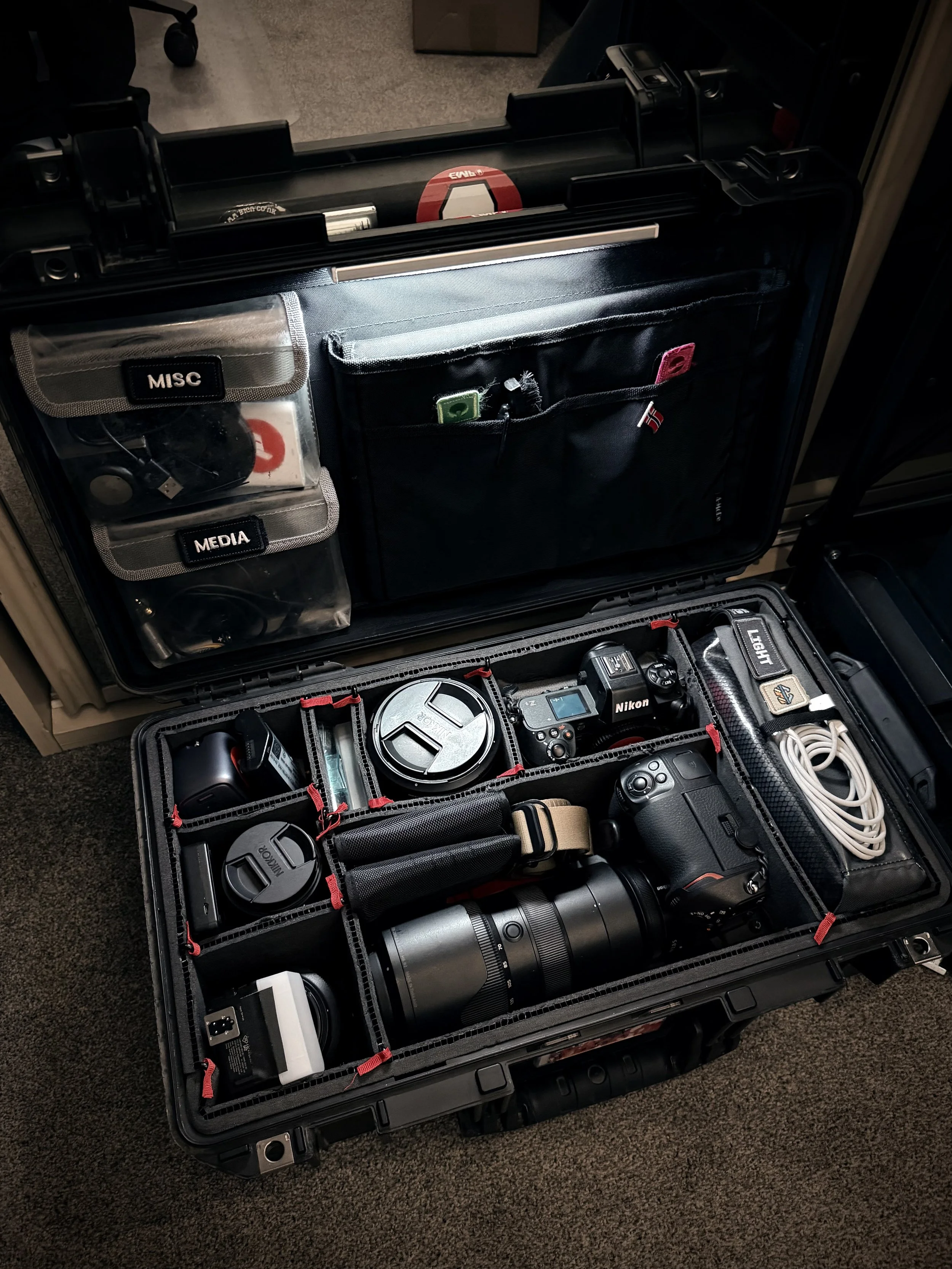
This is the bit that in the wider frame matters the least. I’ve seen amazing photographers capture everything I have, and sometimes better with equipment that is slow and tired. The camera is not the most important thing in this equation for success. The important part is your ability to watch a scene happen, focus on the moments that matters, and capture them in the best way possible. Better equipment can make that easier to do for sure - but it doesn’t dictate success.
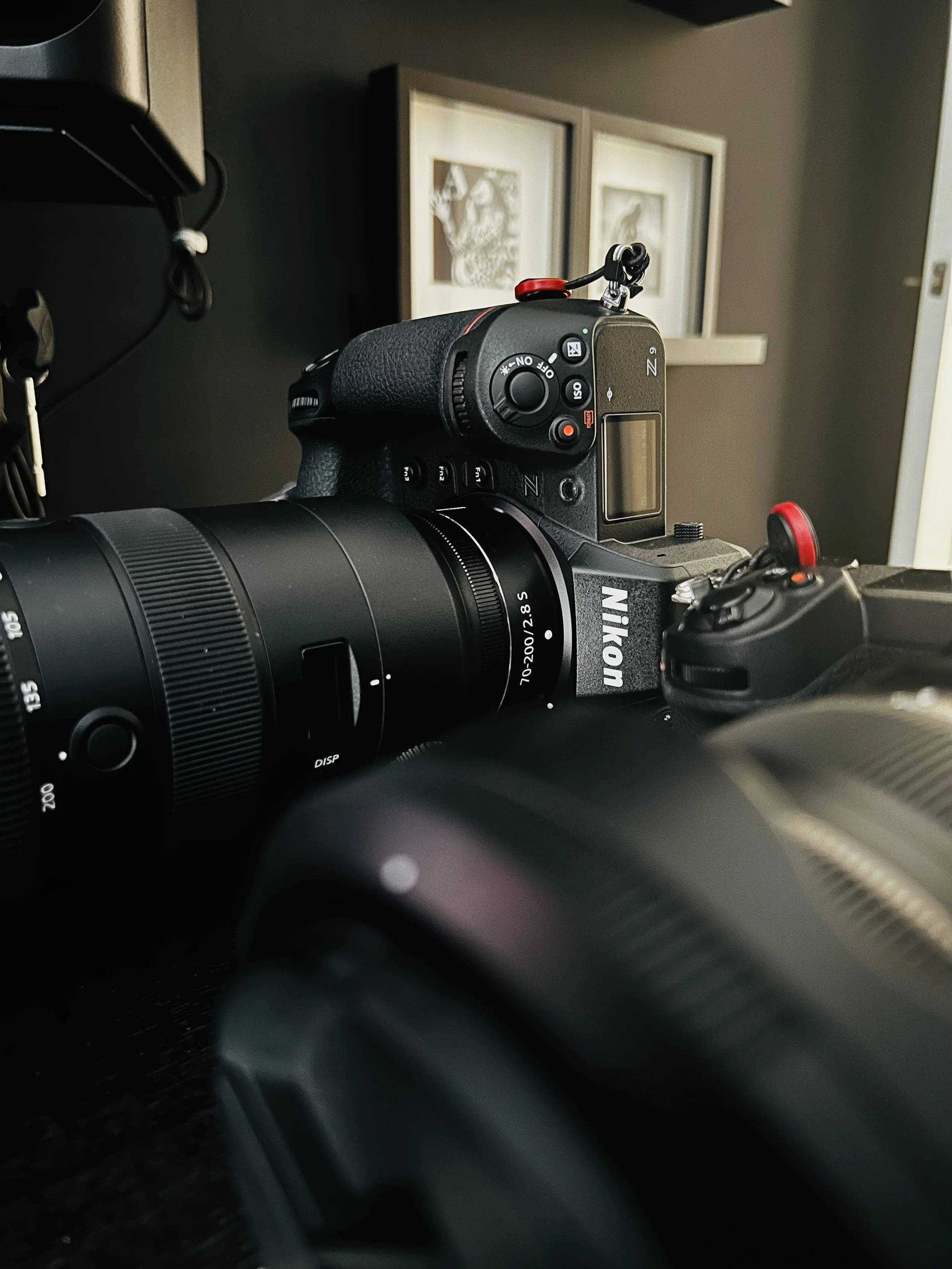
My top tip would be to go out and buy prime lenses, 18 or 20mm 35mm, 50mm, maybe even a 135mm with a fast aperture. Combine this with your standard 24-70mm zoom lens and you’re all set! Theres a lot of noise about which camera system is best, but quite honestly this is just personal preference theres very little difference in advantages over Canon, Nikon, Fuji, Sony etc in 2026.
The 24-70mm will get you pretty much 90% the way there, and then primes are there to give you something creative to work with that sets your work apart from the rest. The 70-200mm is a lovely lens choice to have in your bag but when your starting out these can be expensive and the results for 8/10 occasions can be tackled with a 24-70mm or a prime. Another point is Get close to your subject it helps show connection and if you’re looking to show an experience this would be the best option.
Plan, Prepare and the Narrative.
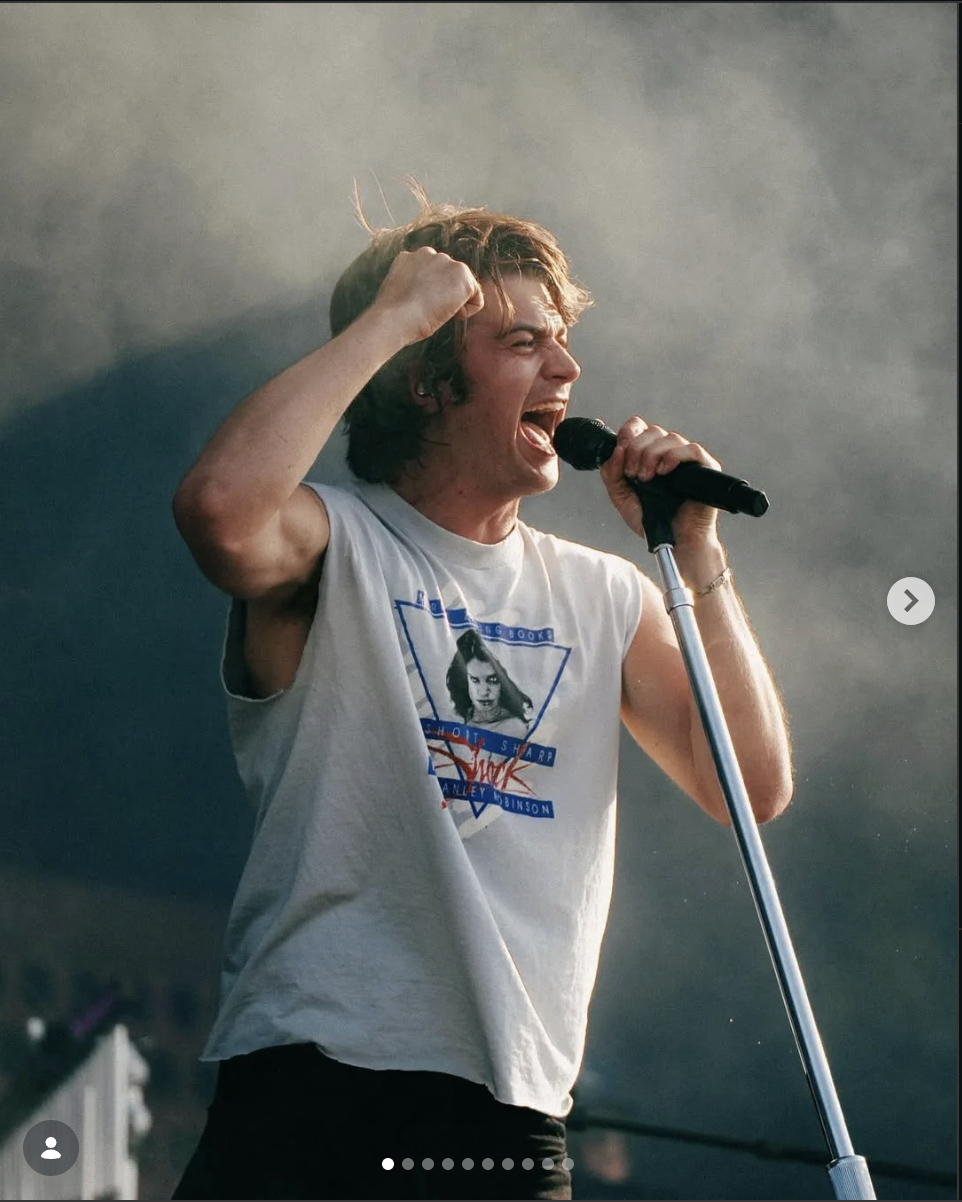
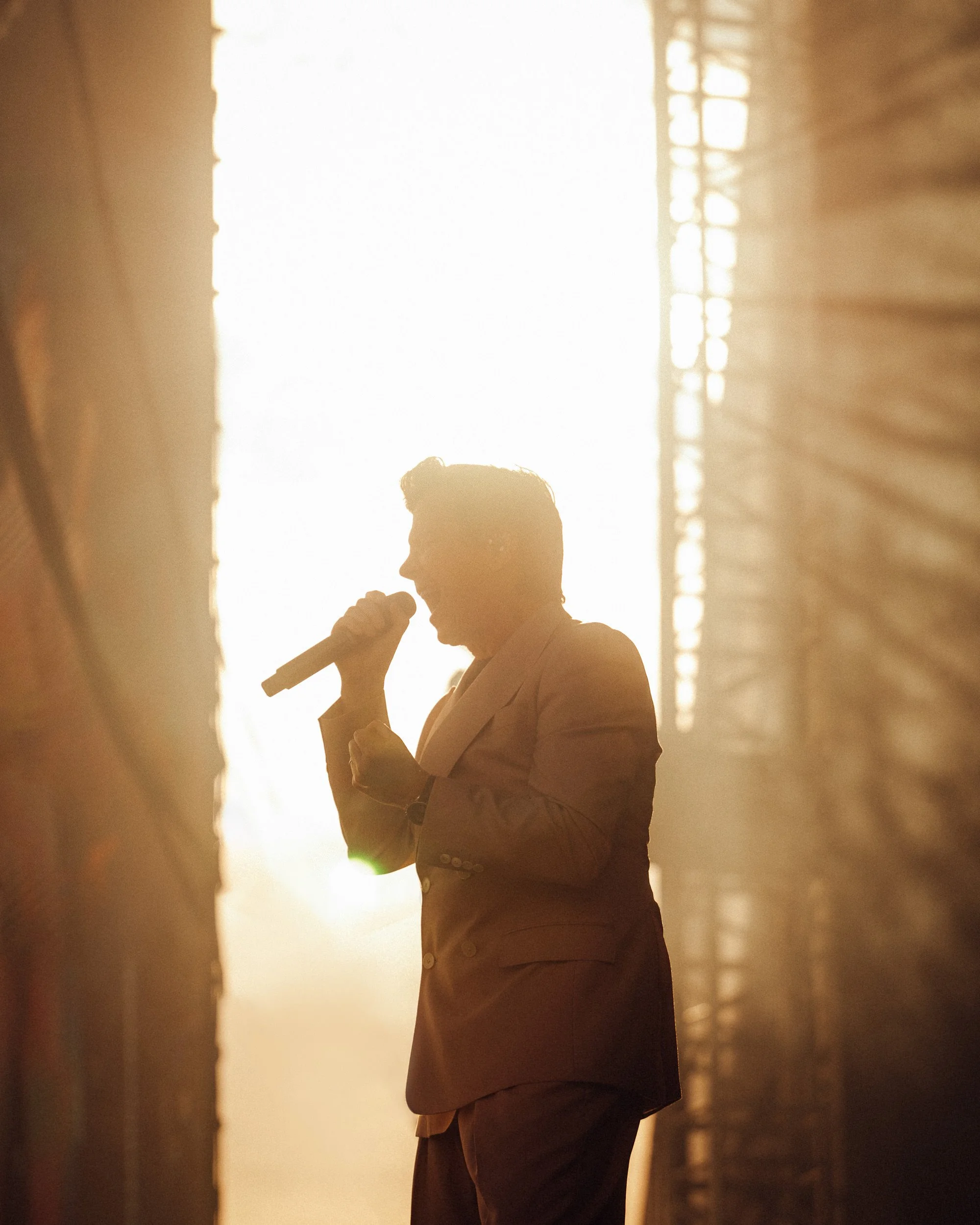
Joe Keery playing Southside Festival, Image found from Joe’s Social Media for reference use.
So let’s say you get your first gig and it’s your first day at a festival or large-scale event. Assuming you’re trying to capture a good amount of the event for a press outlet or a new agency — something like Getty Images or Shutterstock — you’ve arrived on site, but what do you do now?
The best thing to do is prepare your day ahead of schedule. If you haven’t been given a shot list or a brief that contains the artists you need to cover, it’s worth looking up the lineup to identify who will most likely be good to shoot — both for your own enjoyment and because they’ll produce newsworthy content.
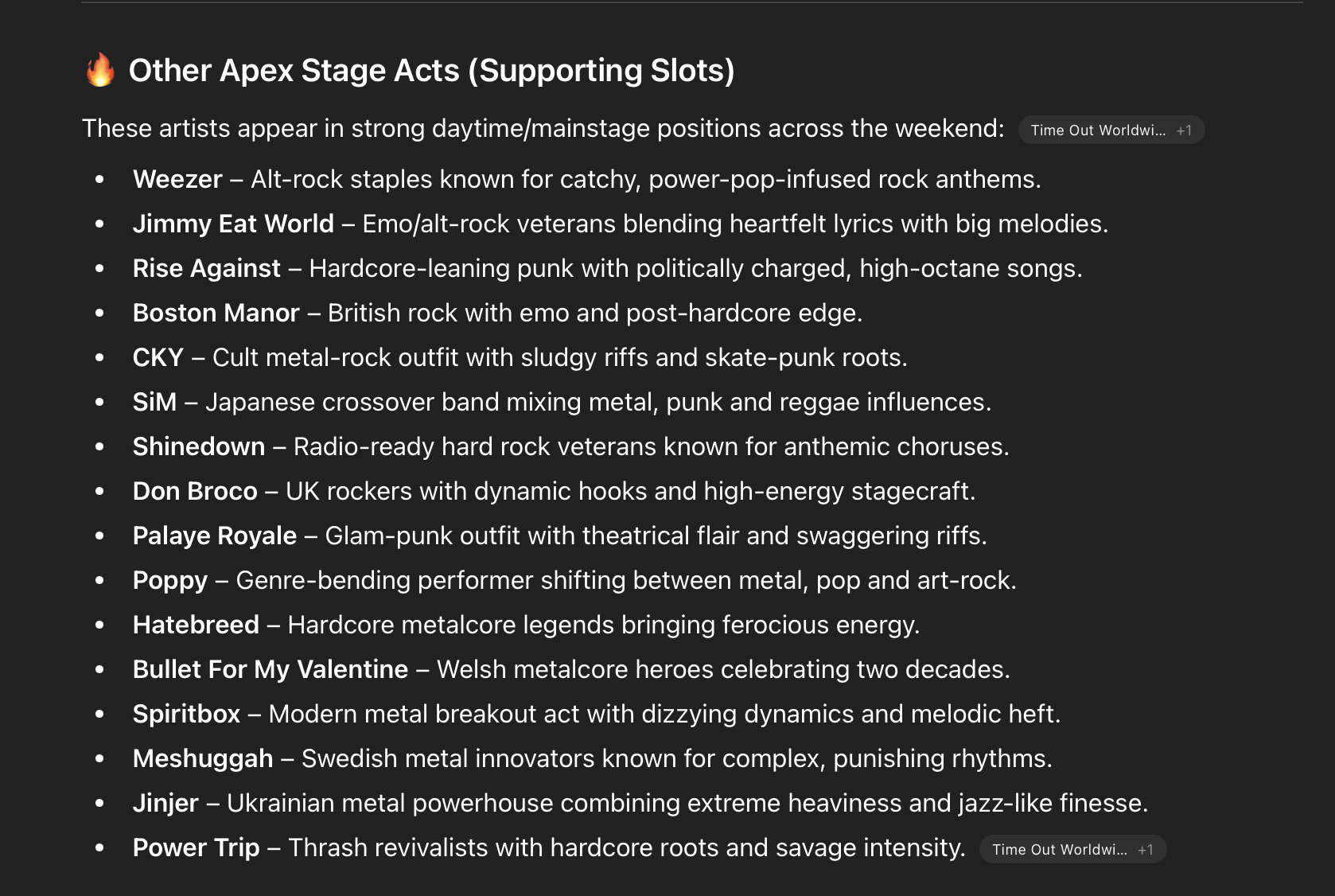
ChatGPT Artists playing on the Apex stage and their respective Genres.
It’s also worth looking up stories that are currently floating around, like new album releases or upcoming singles. News related to the artist. it’s all about telling the story, and there are two sides to that: the side of the promoter and the side of news and wire services.
If you work for the festival or event directly, they’re looking for material that captures the fun, excitement and anticipation of the show, the performers and the experience; through the eyes of the people buying tickets: a window into the viewpoint of a punter attending the show.
If you’re on the other side, working for Getty Images or a similar wire service, then you’re going to be looking for stories (photojournalism). You’re looking for a narrative to attach to the photos you’re creating. For example: Joe Keery playing in Argentina at the Hipódromo de San Isidro, after huge success with the hit Netflix show Stranger Things airing its final season. Hopefully there’s something interesting going on in the photo, and that becomes a core part of the story.
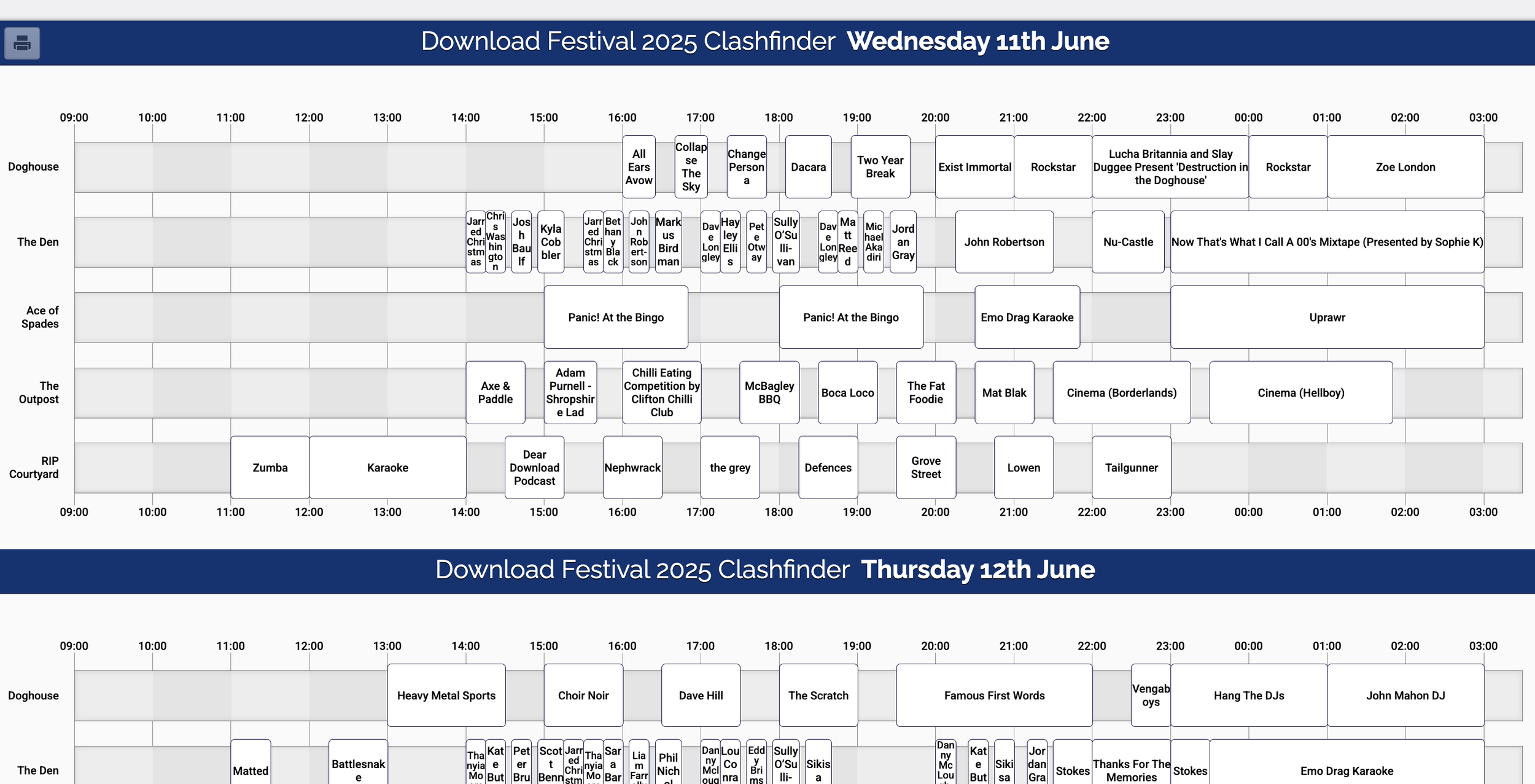
Clash Finder showing Download 2025 view for example.
Something that is useful, and its definitely something I’ve used before, is ClashFinder this great website helps you see an overview of the festival and what stages, artists are playing which gives you available timings and the potentially for overlapping sets. Its really useful if you need to be in a few places at once. As AI has also improved you can often create your own schedule using ChatGpt allowing times to be noted down for you in whatever way you need. Thats the beauty of AI in that specific area, in that it can do some of the boring organisation work for you.
One thing that AI cant do however is organise your files for you, (not that I know of) but it does mean that when you do Photograph festivals, an important part of that is organising your files appropriately. Make sure you either name your files for the artists your shooting, or keyword the files in the metadata so you can refer or search later on. It also gives the person looking at your work a bit of context for the shot they’re viewing.
Final Points & Closing remarks
Hopefully the points raised above will give you some ideas as to where to go to approach the right people and set your mind and focus to the right places. Its a personal journey and everyones journey is different. Theres no shortcuts (there shouldn’t be at least) but remember what I said. The Journey is what matters here not the destination. Enjoy it and develop your skills as you advance through one of the coolest most rewarding jobs (if you can call it a job) in the world.
I often get asked if I have any opportunities for people to come with me to gigs and festivals but sadly its not really something I’ve had a need for previously. I work quickly and focus is important, so that time is yet to come! Who knows though, in the future there may be a place for it.
Its important to know that this is a career option for many people and they work their absolute souls to the bone. Its for the love of both photography and music, and I want to protect those who are courageous enough to step out and take on Music Photography full time. Its a difficult life and it really isn’t for the faint of heart. The dedication required is incredibly high, and the self belief it takes to make a successful life in this industry especially in 2026 is honestly incredibly high. So next time someone offers you an event for free think of what that means, and what impact its having on the area and people around you. Dont be selfish but don’t limit yourself when it comes to opportunities just be mindful of the effect its having on others, try and suppress the excitement even for a second to think of it from a business perspective.
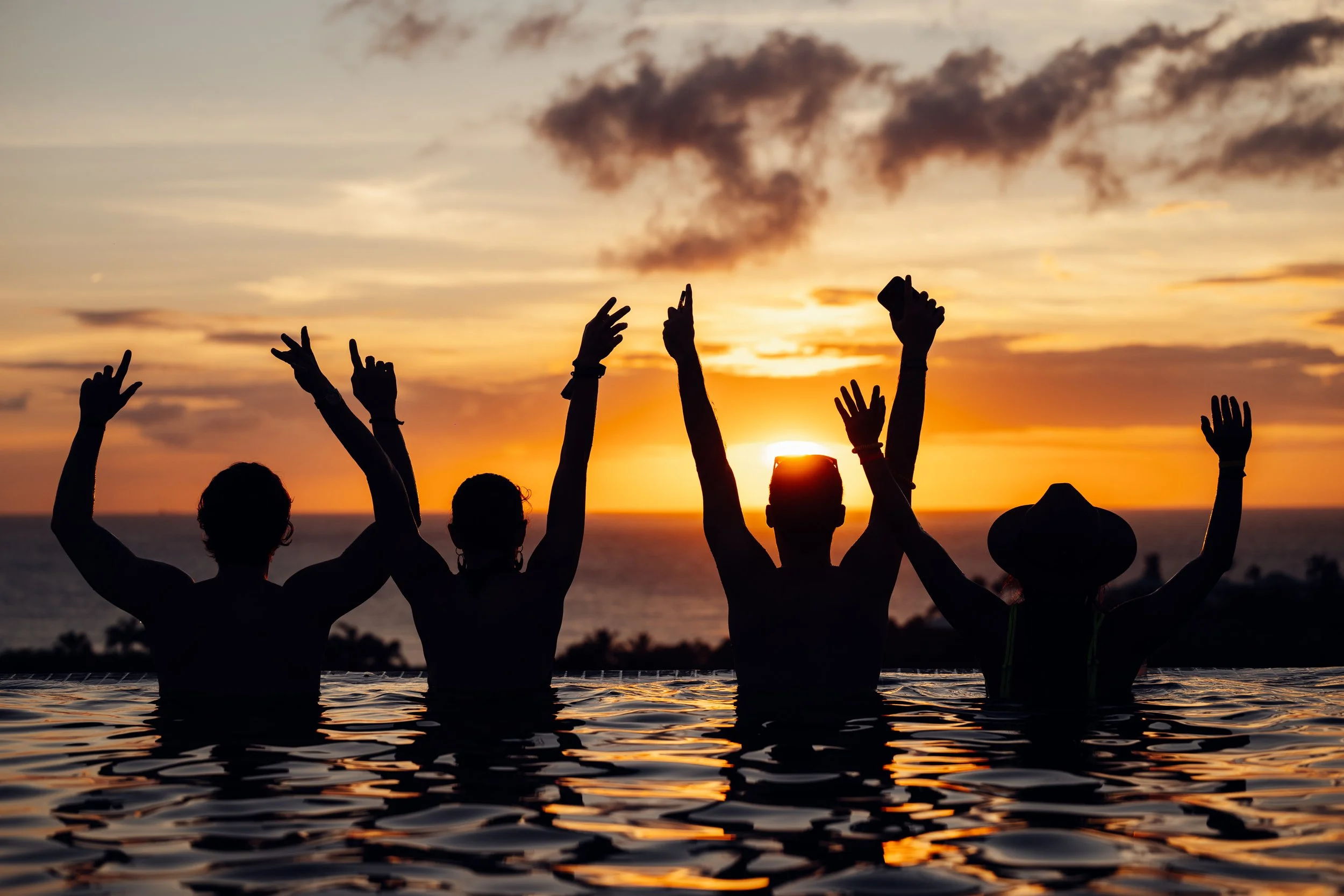
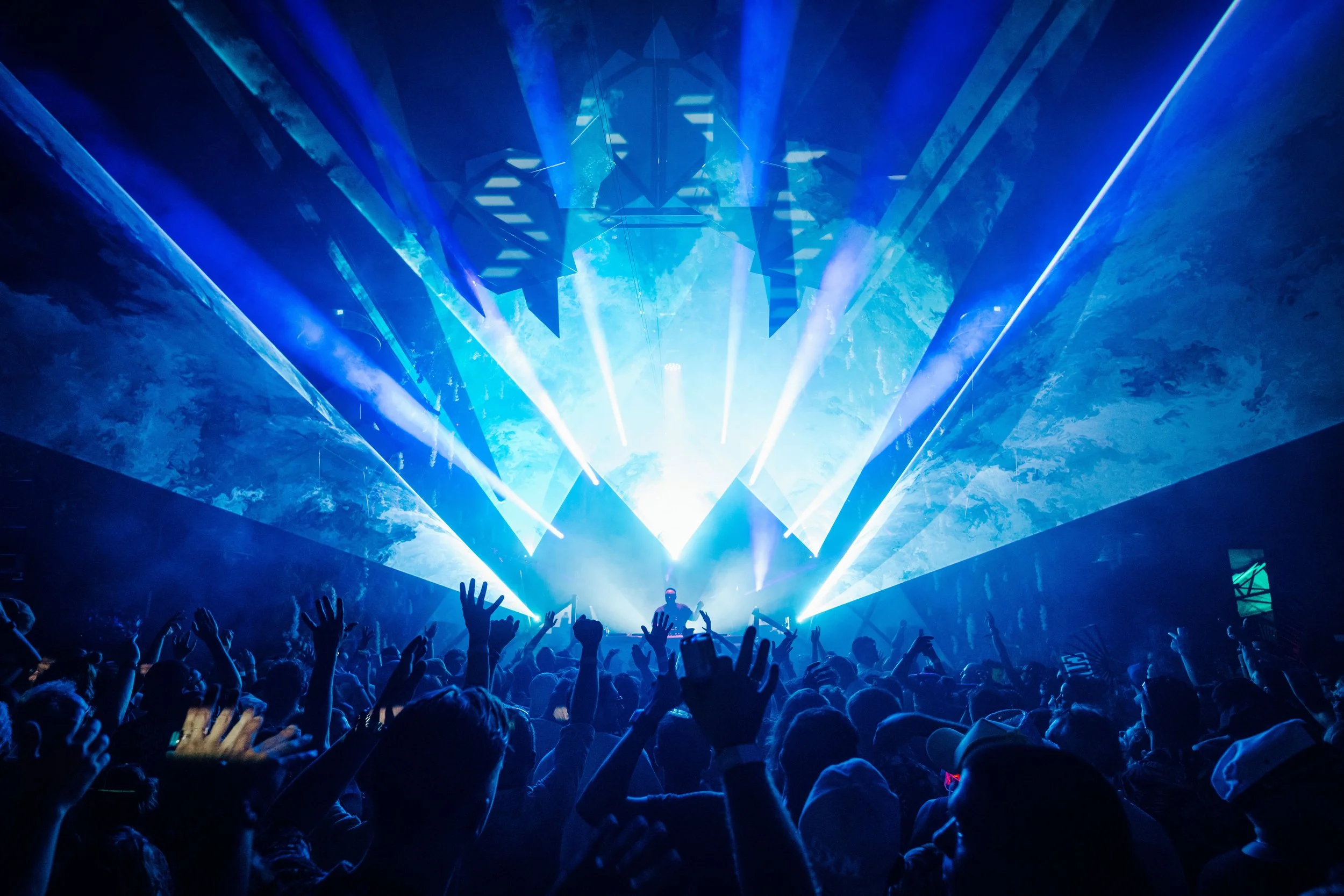
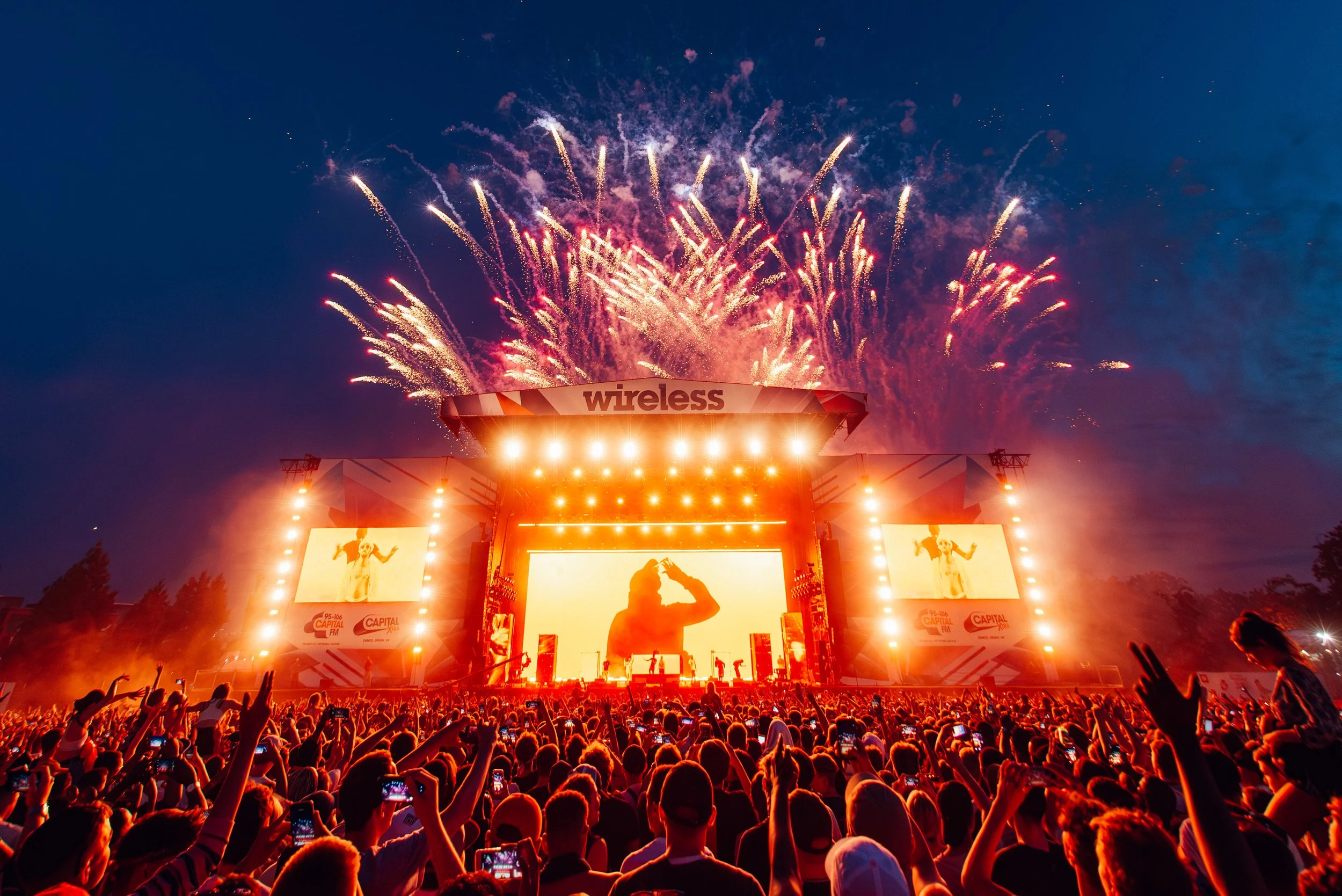
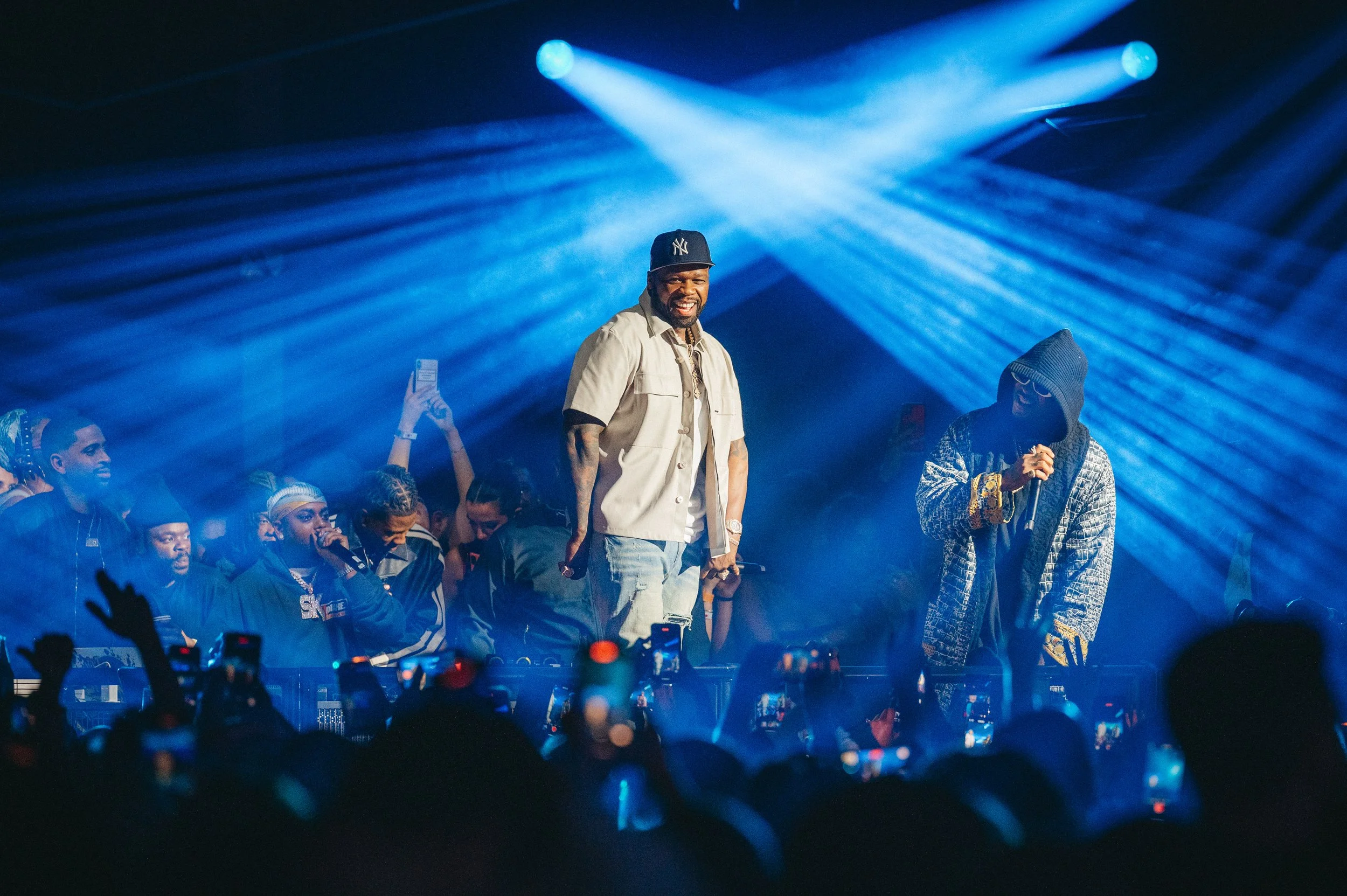
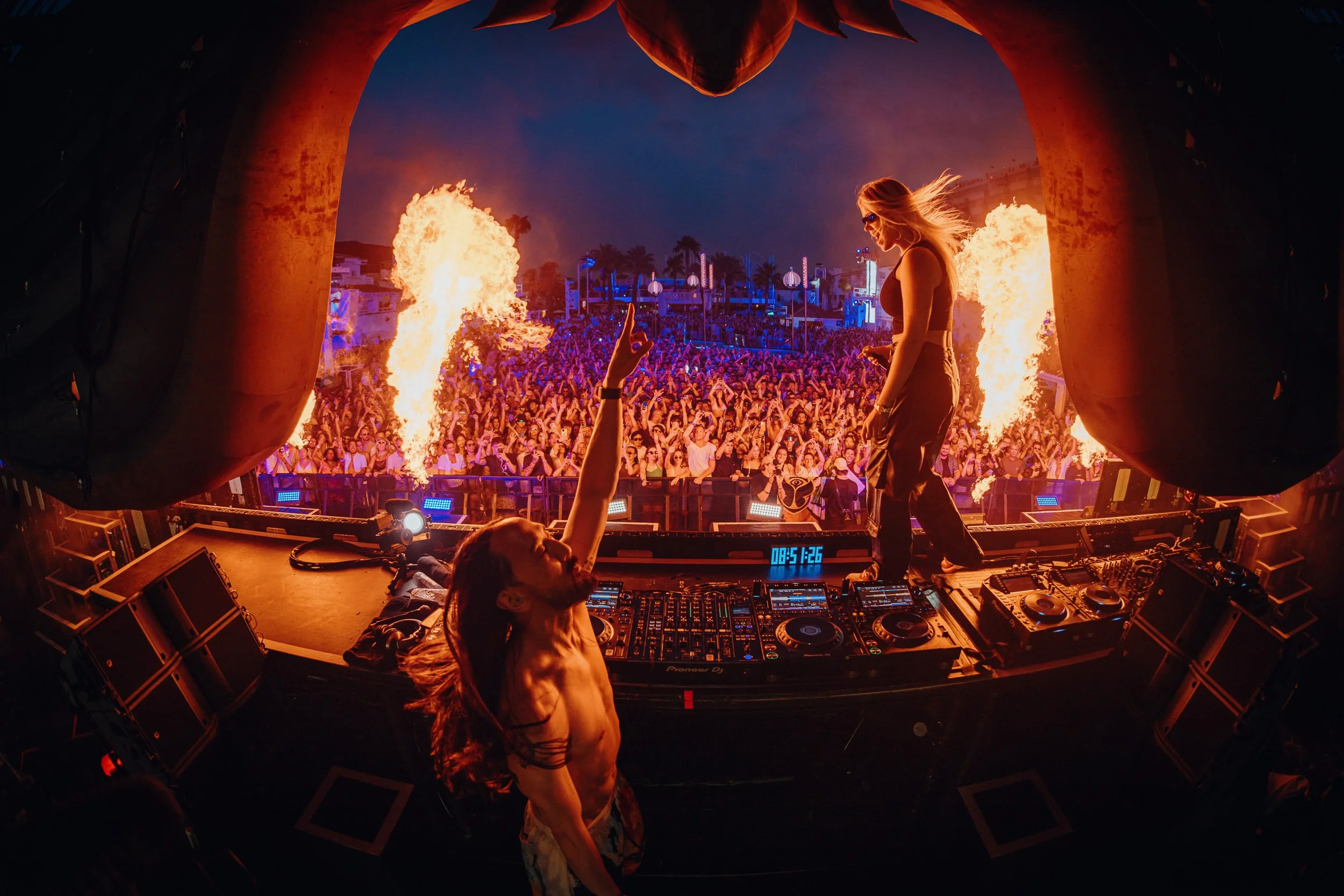
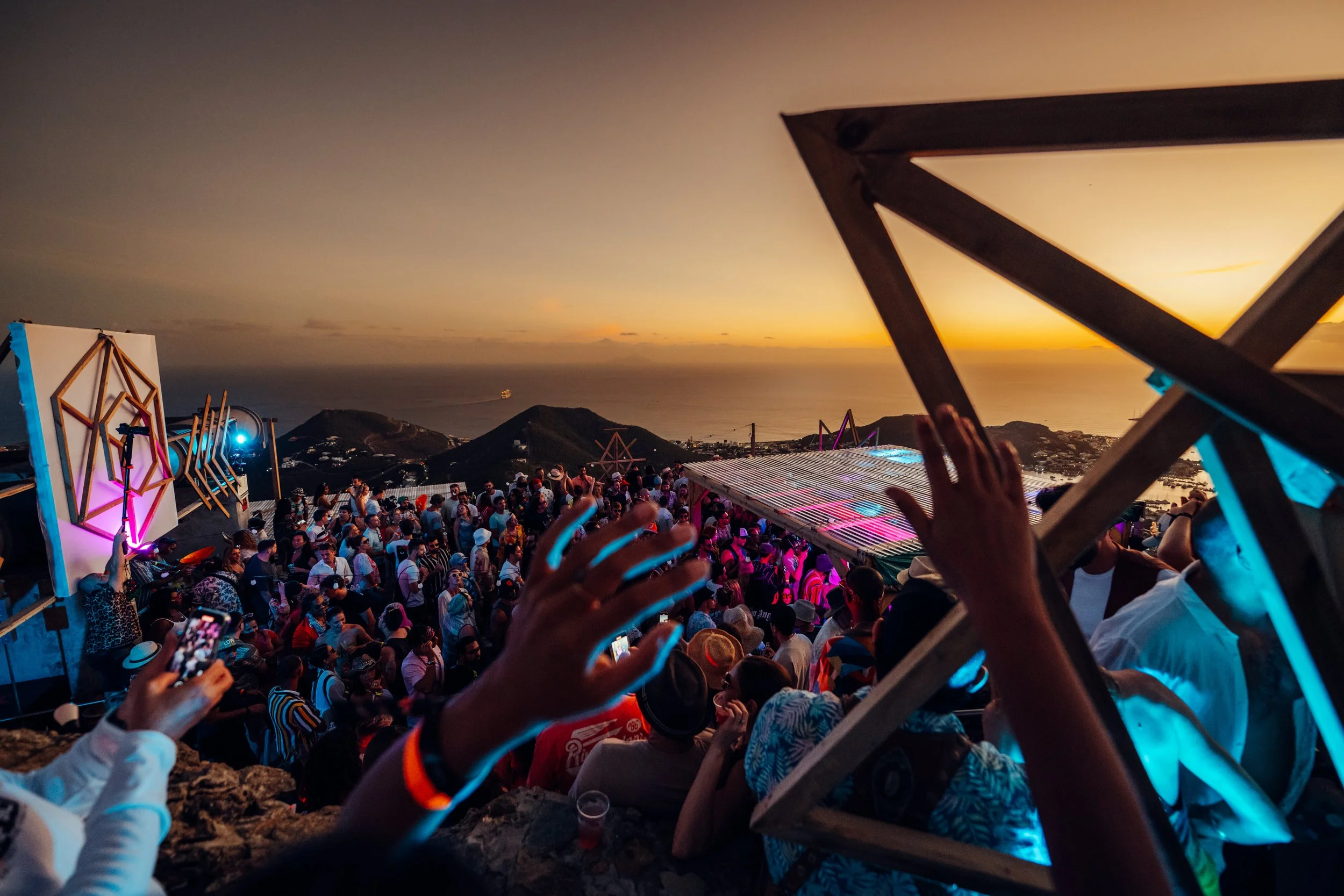
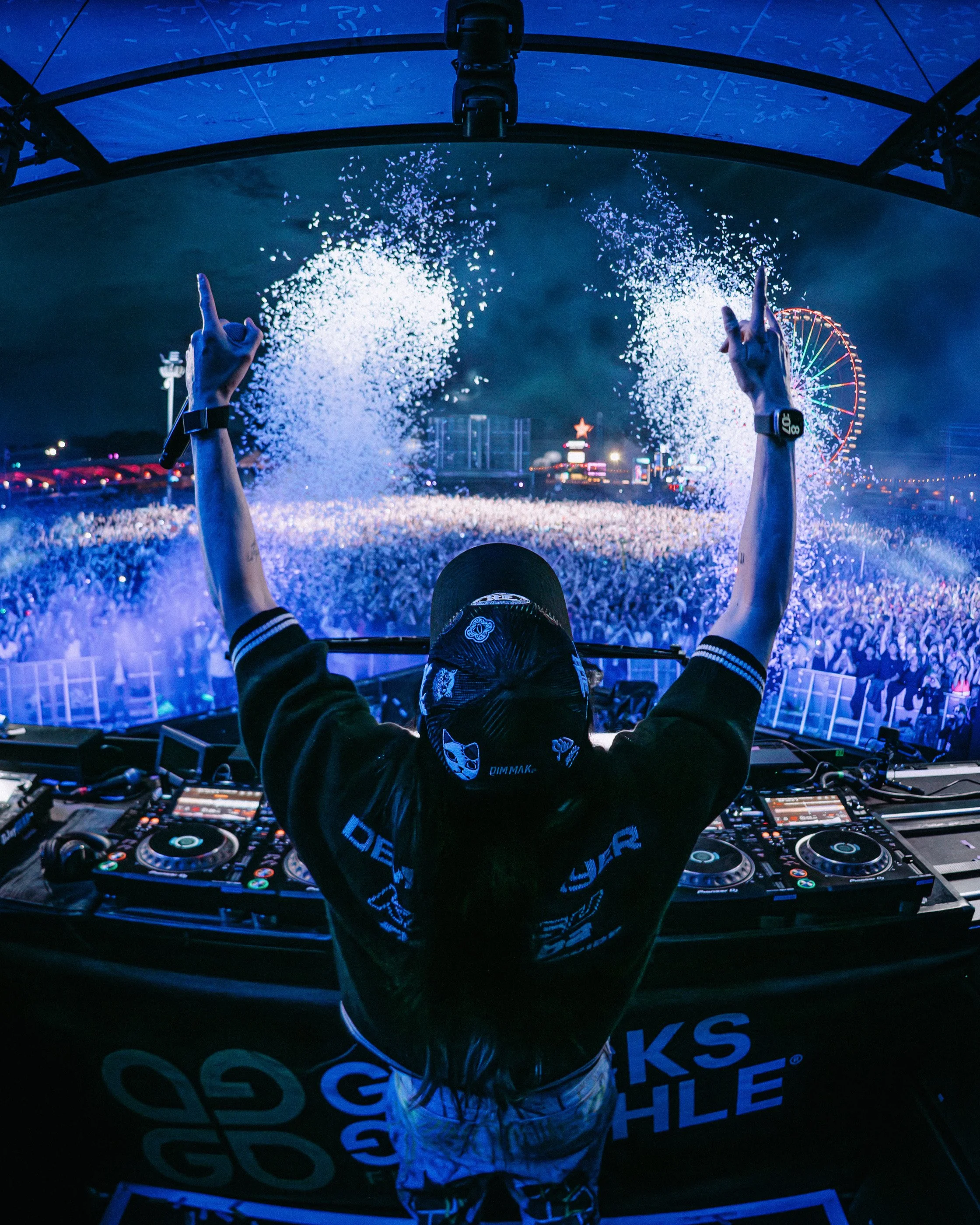
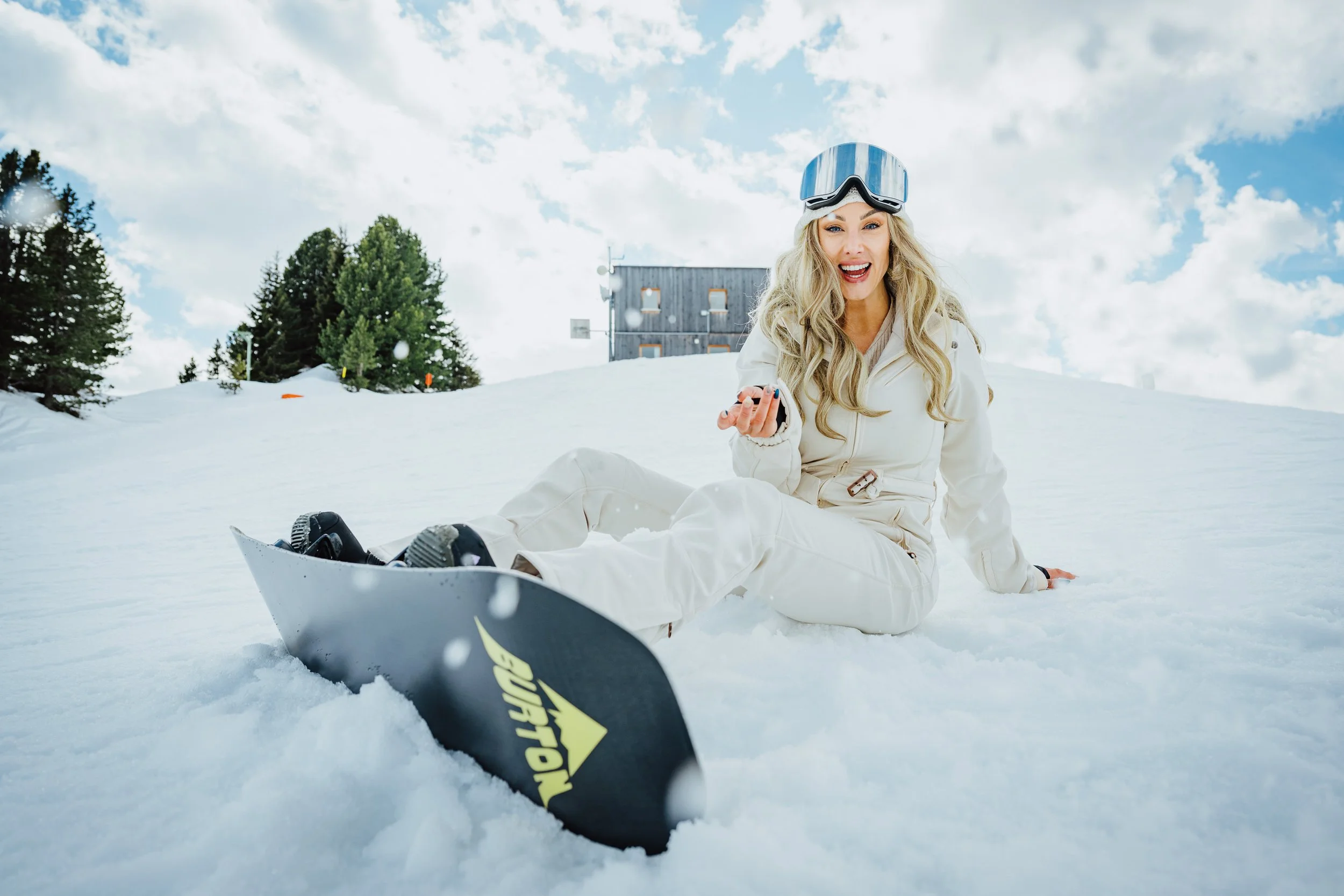
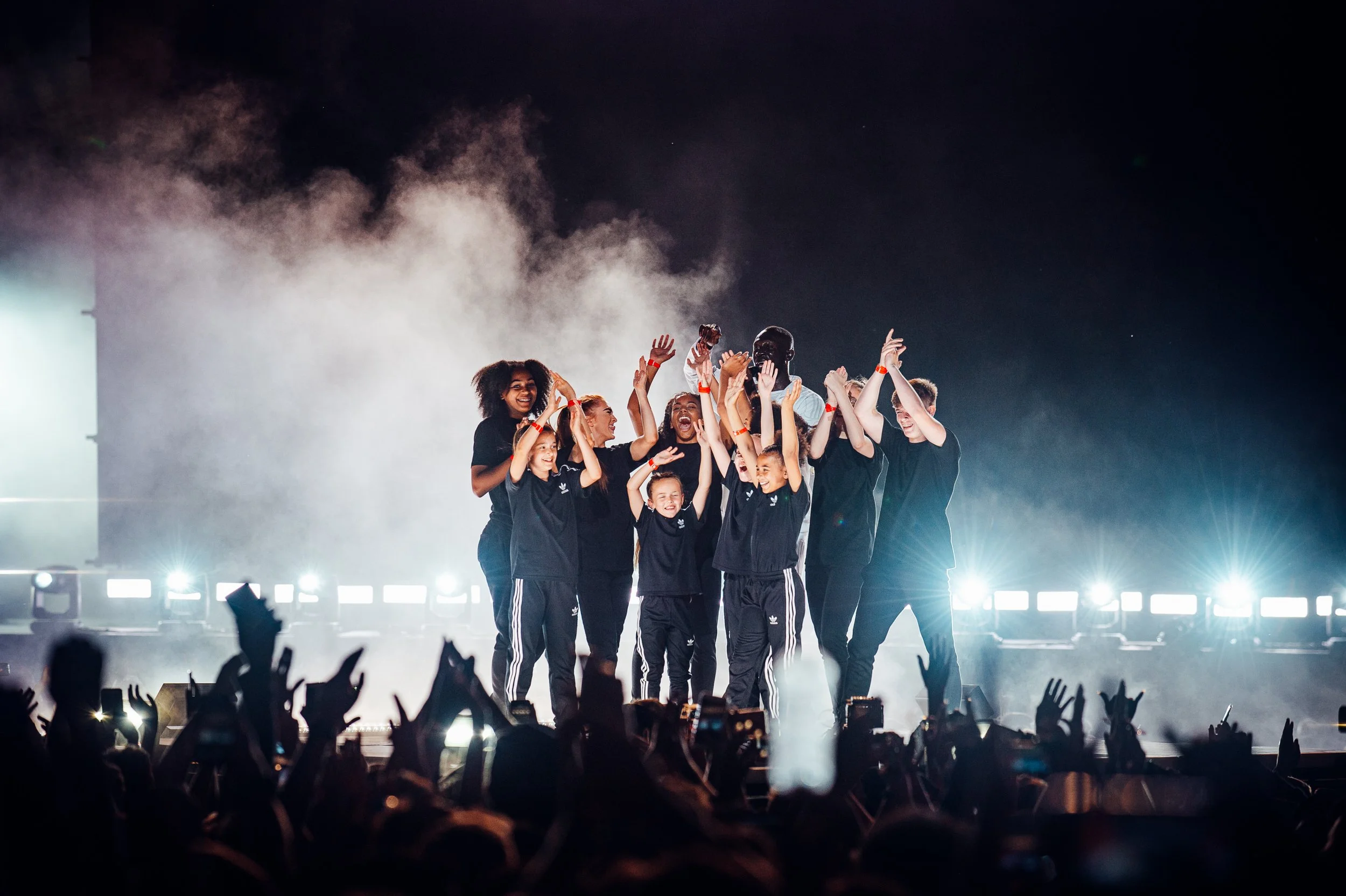
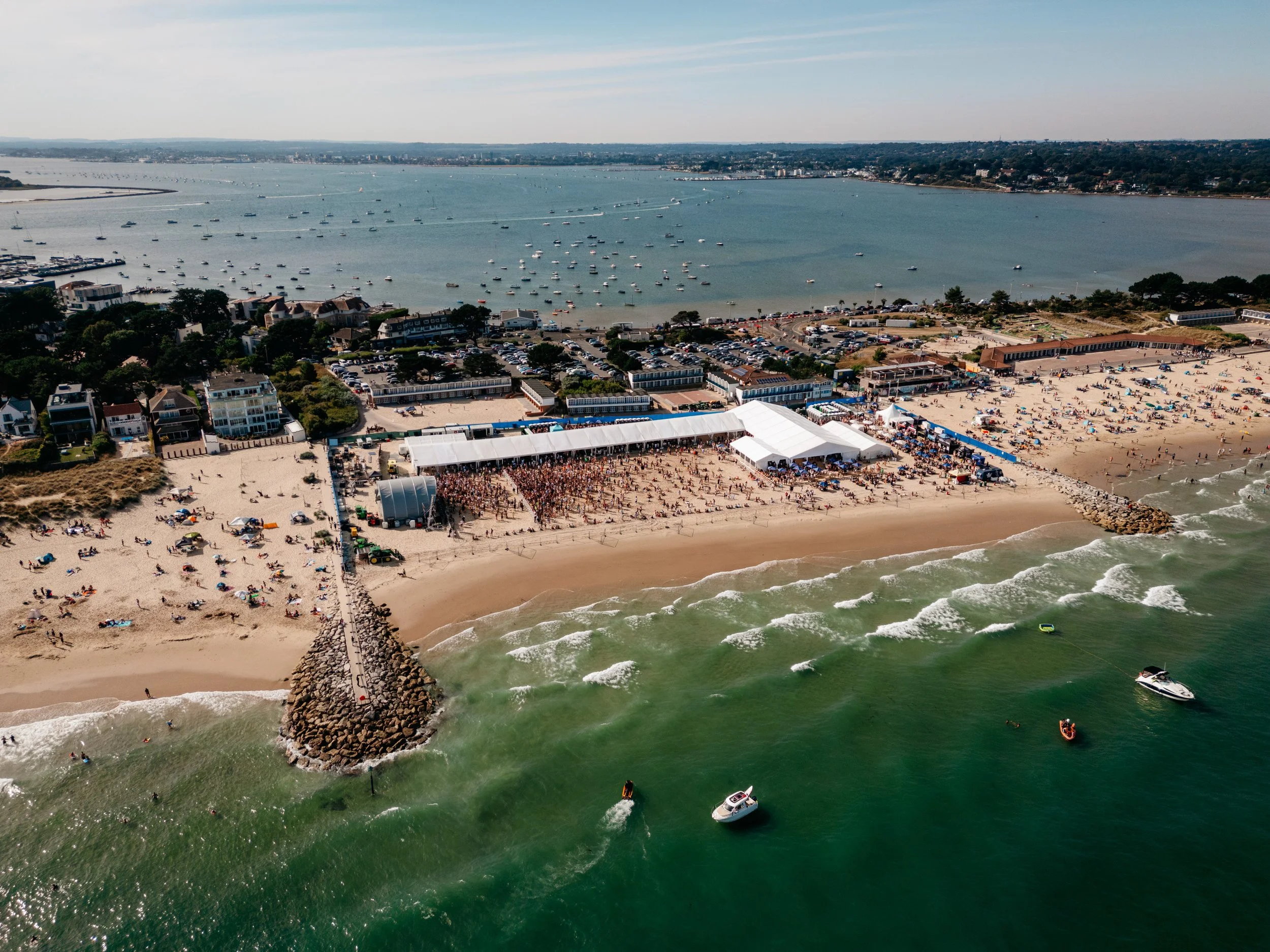
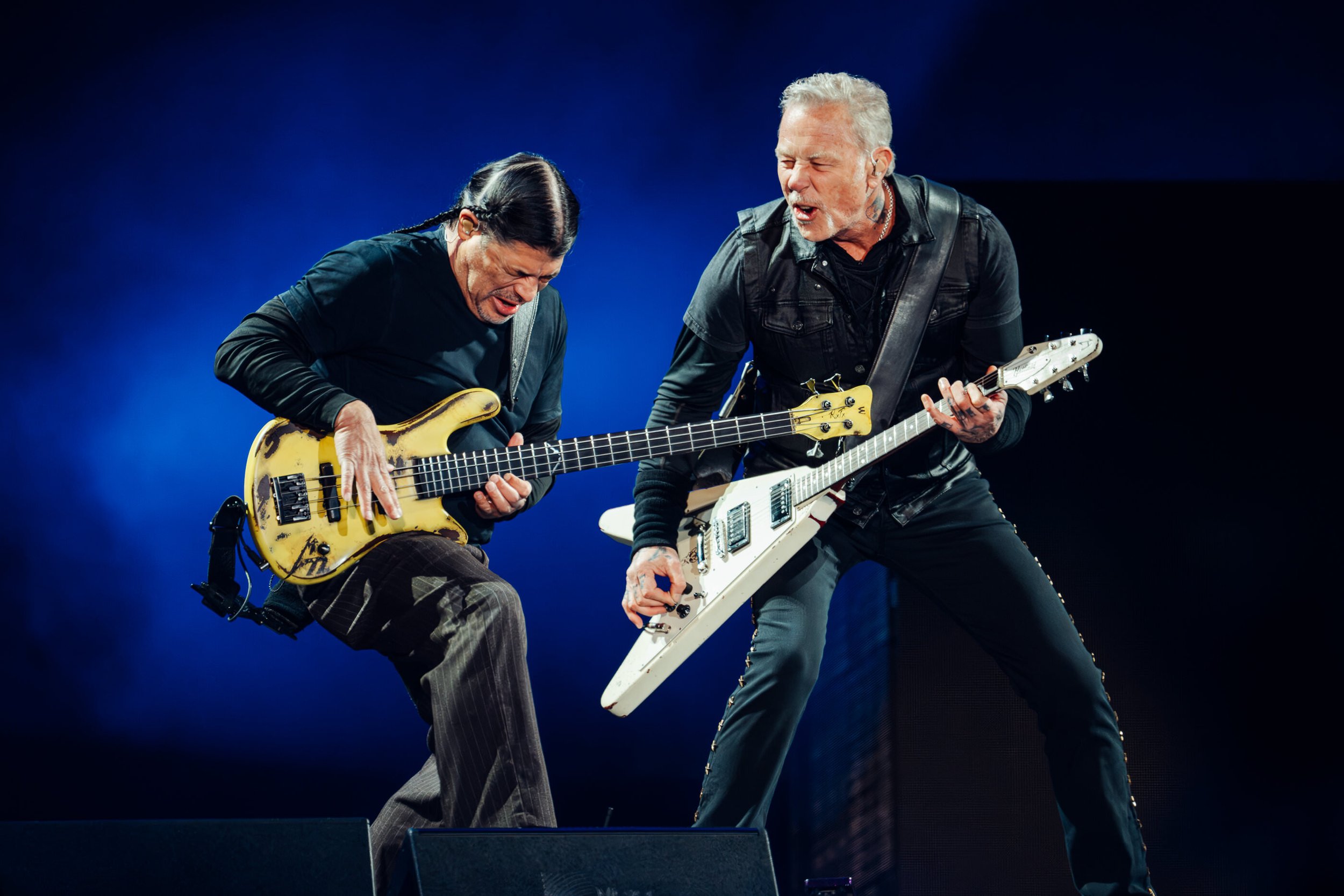
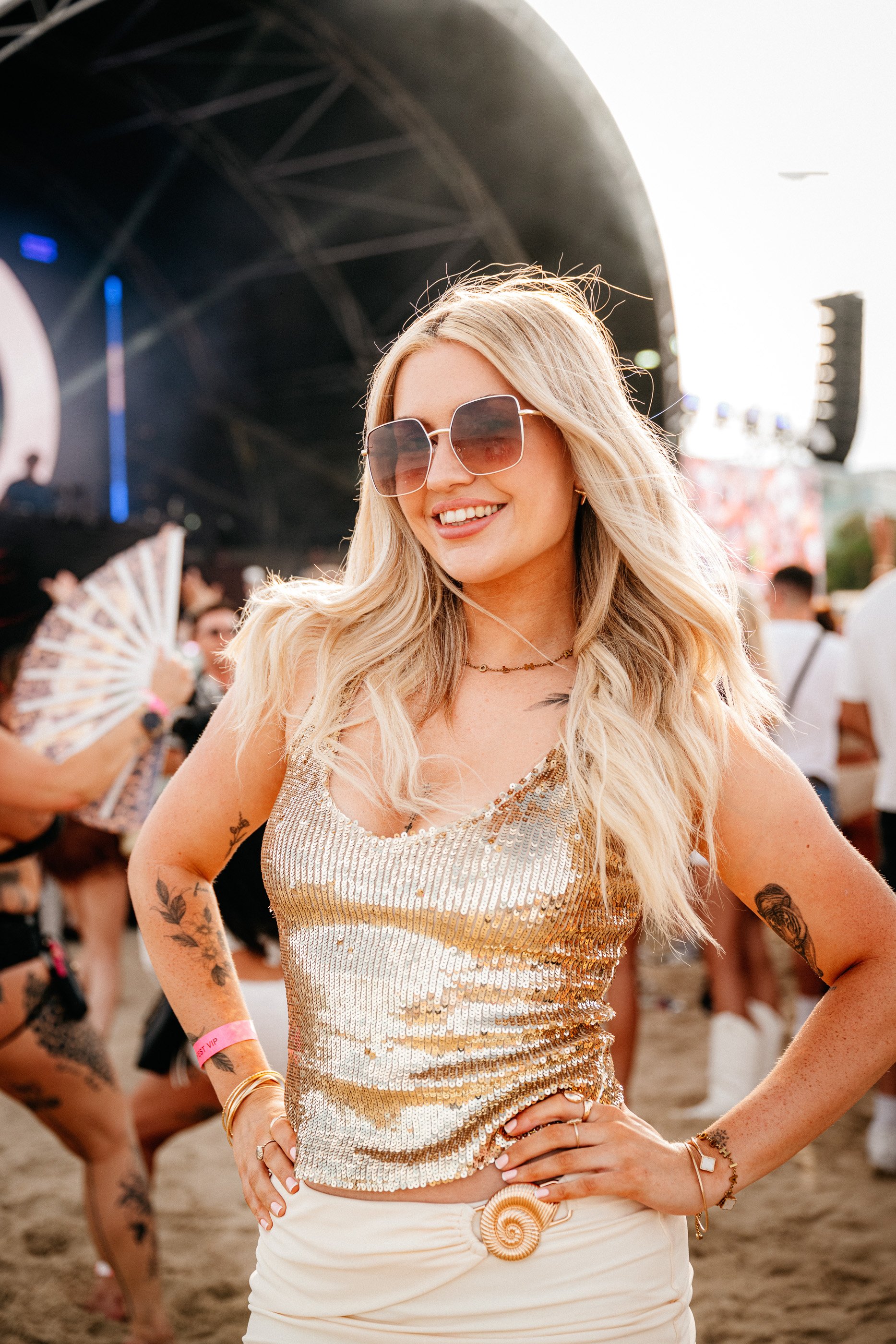
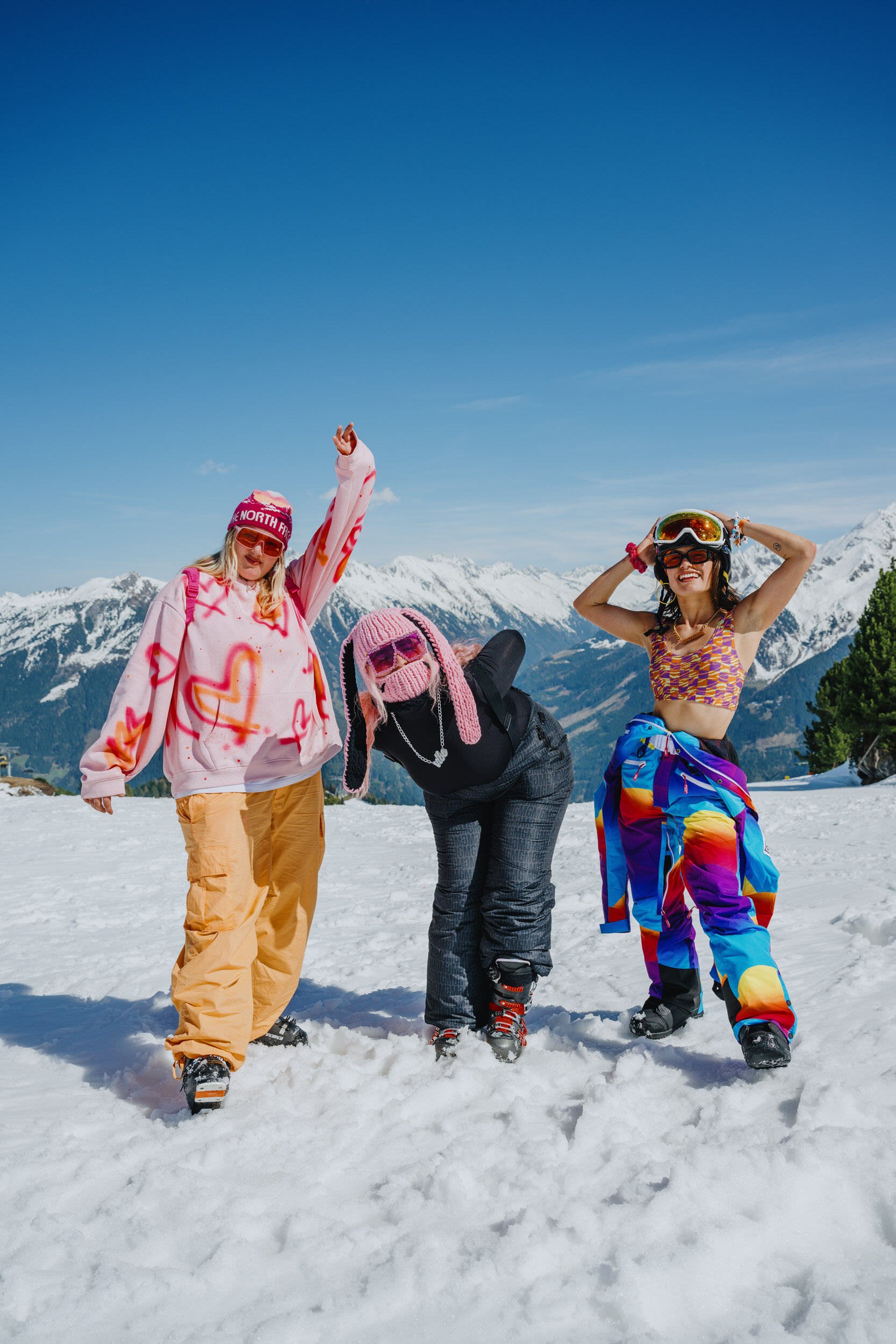
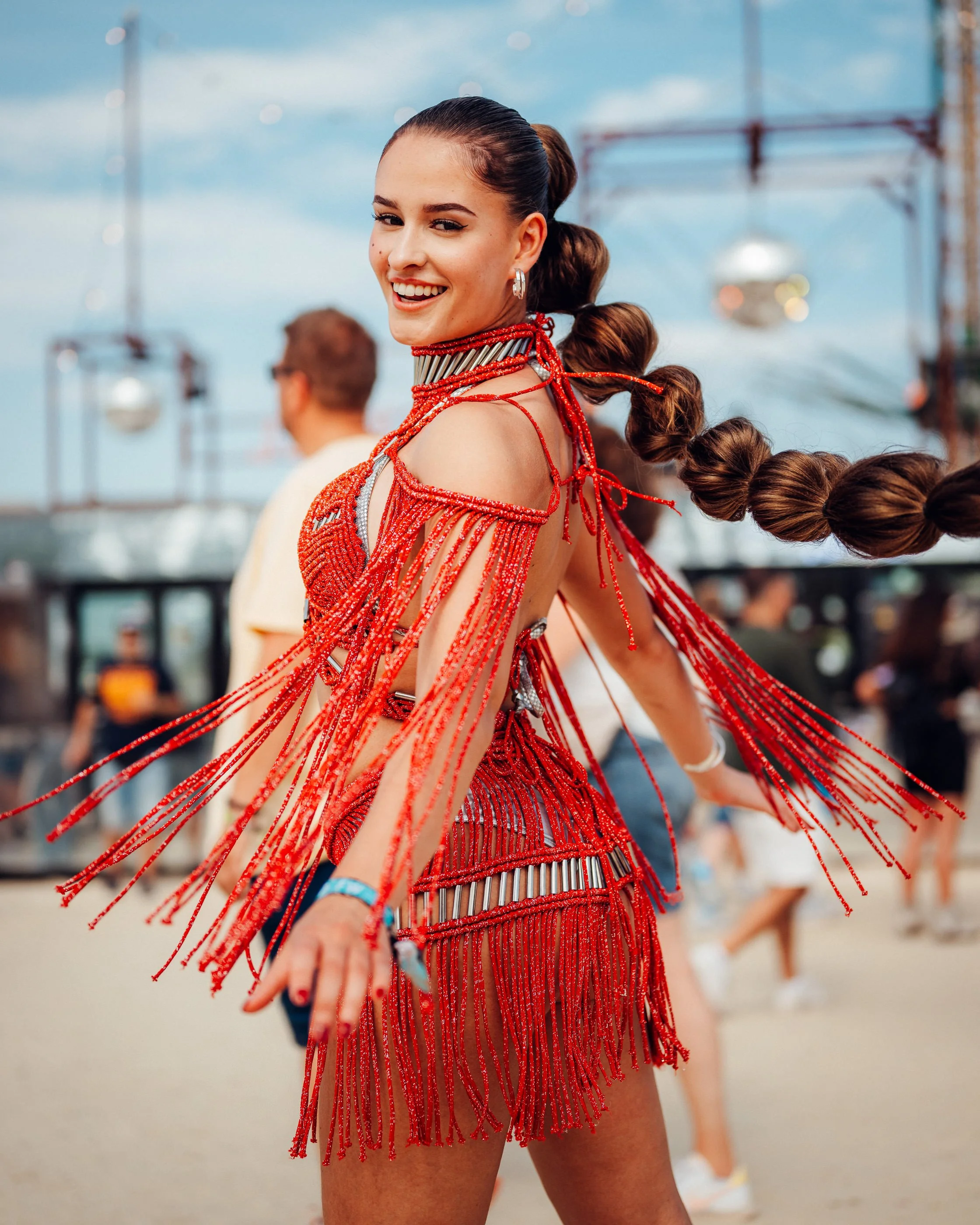
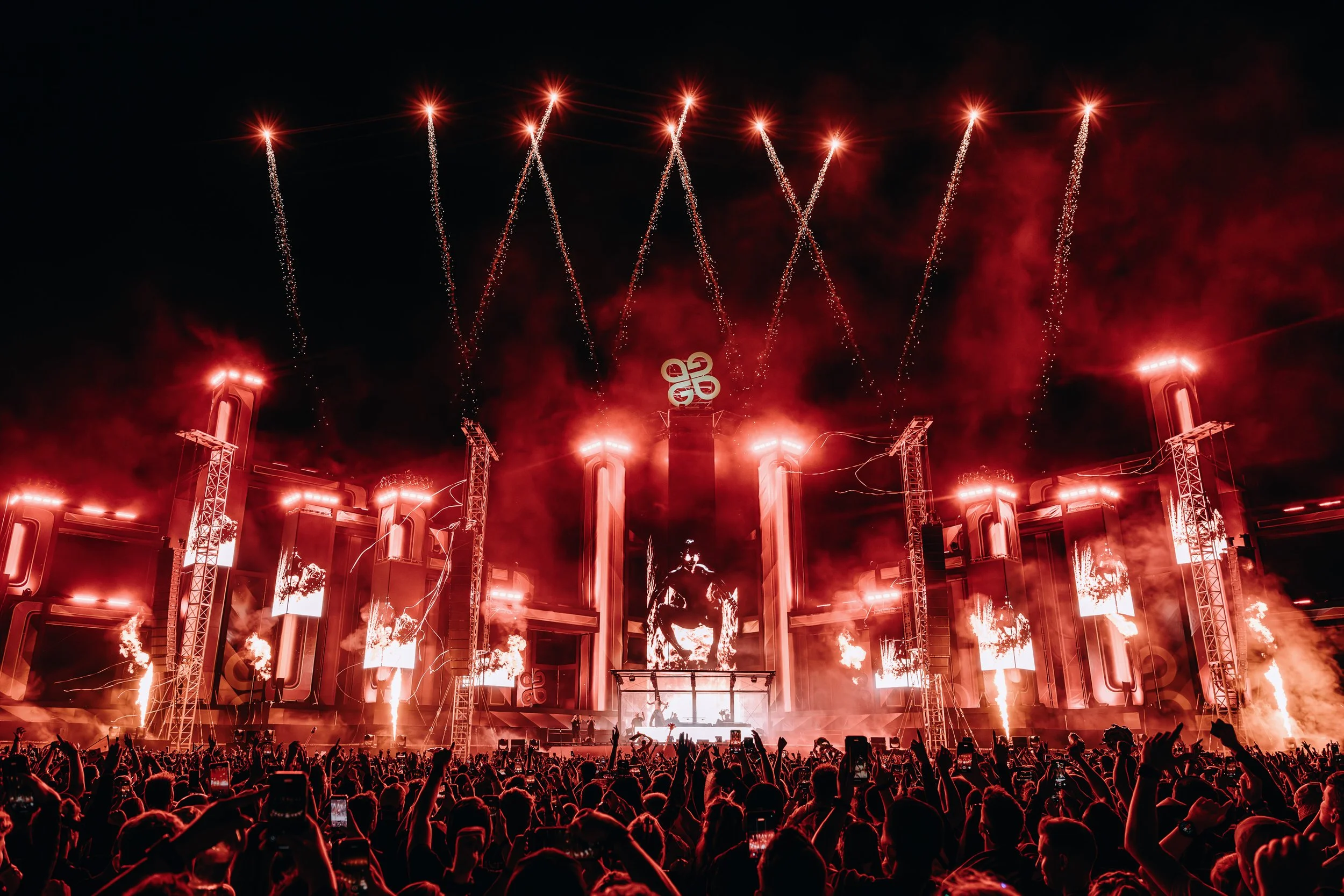
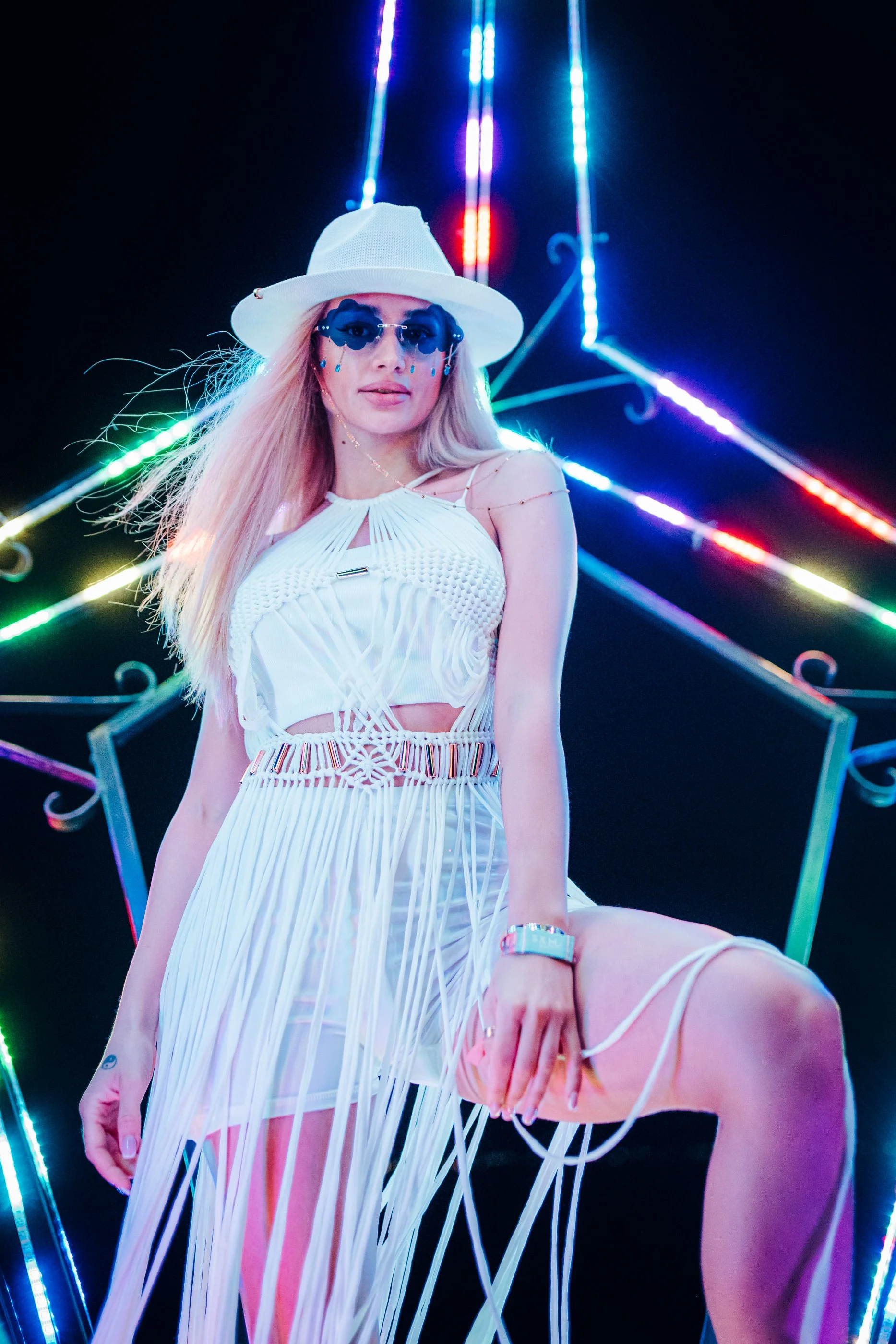
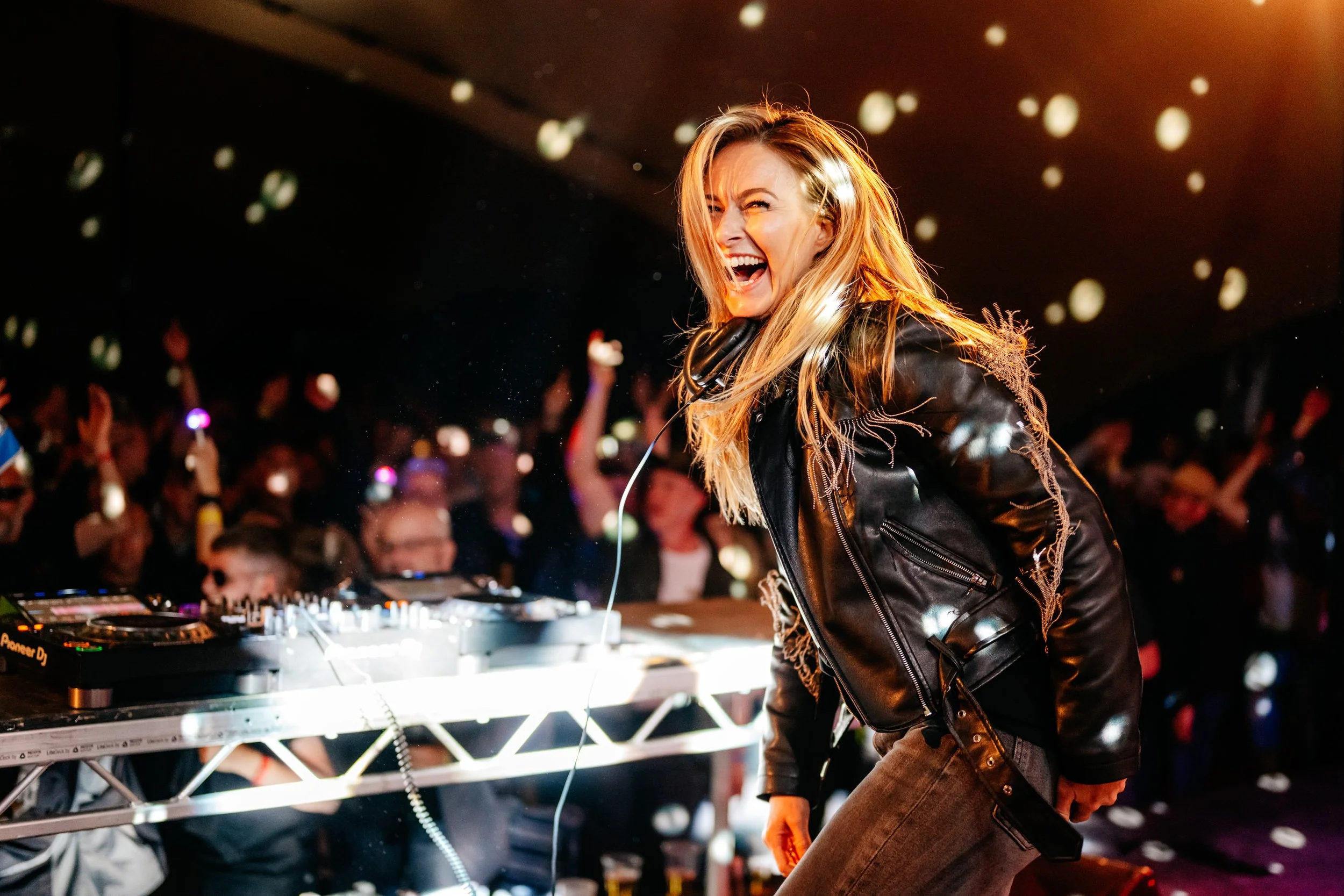
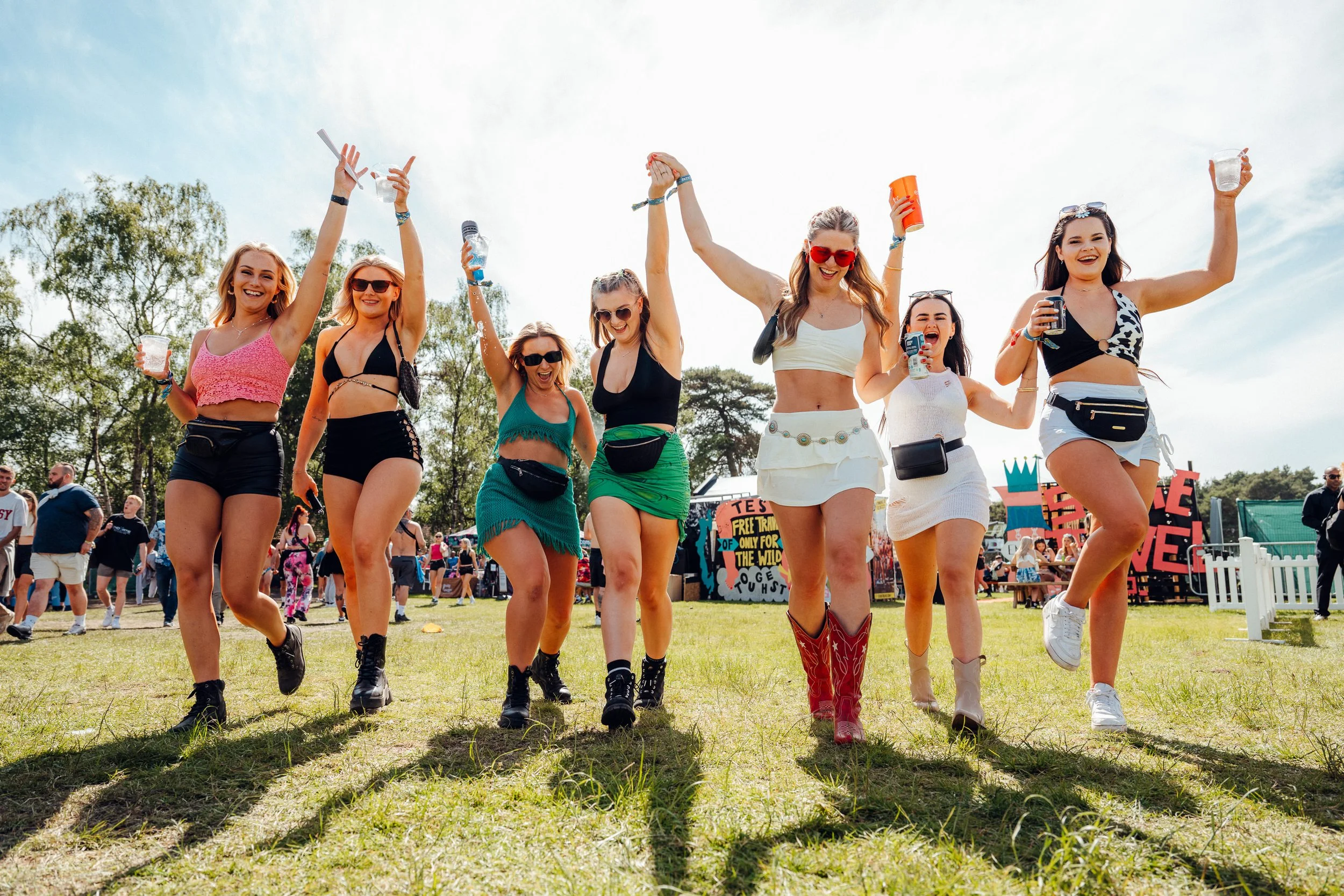
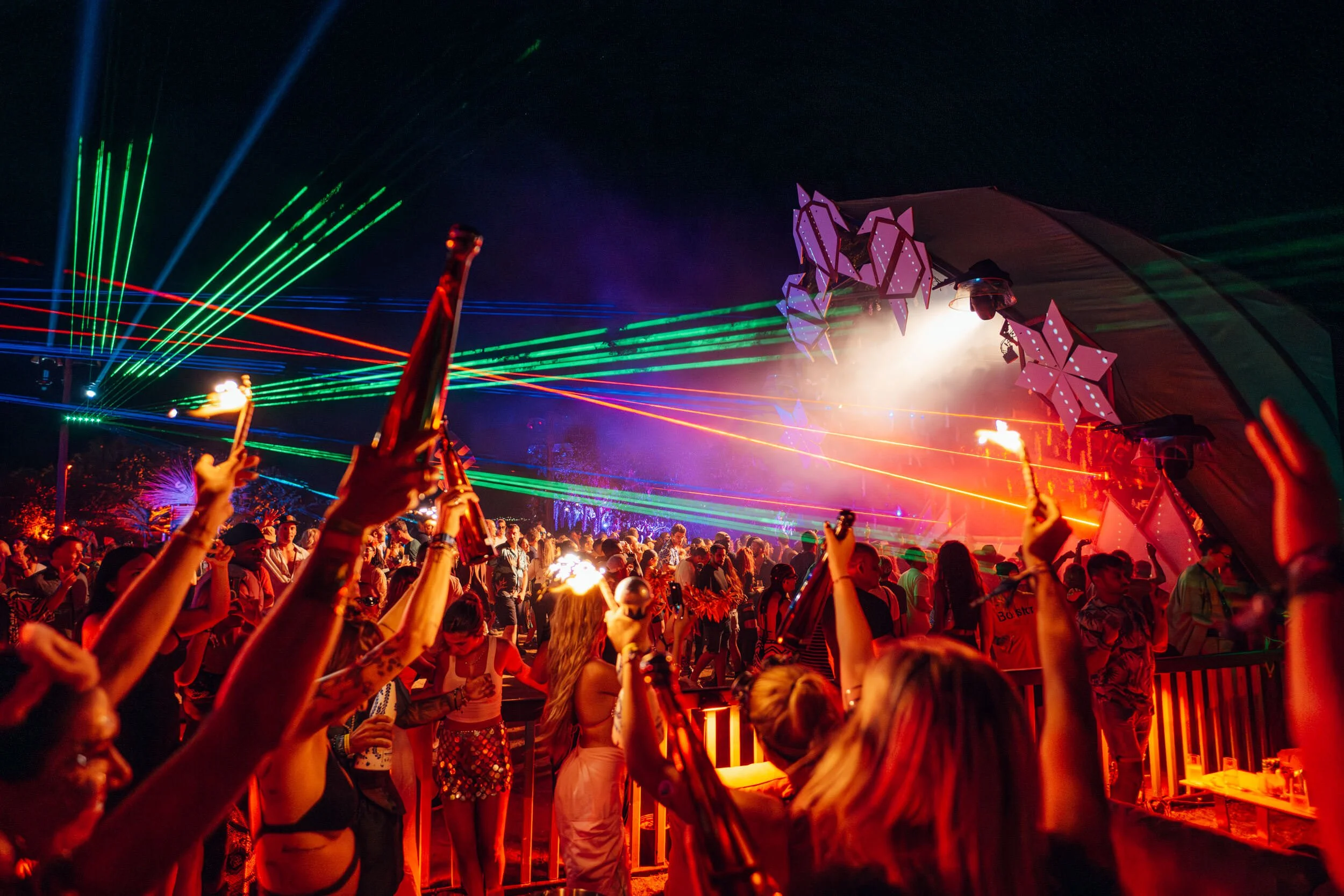
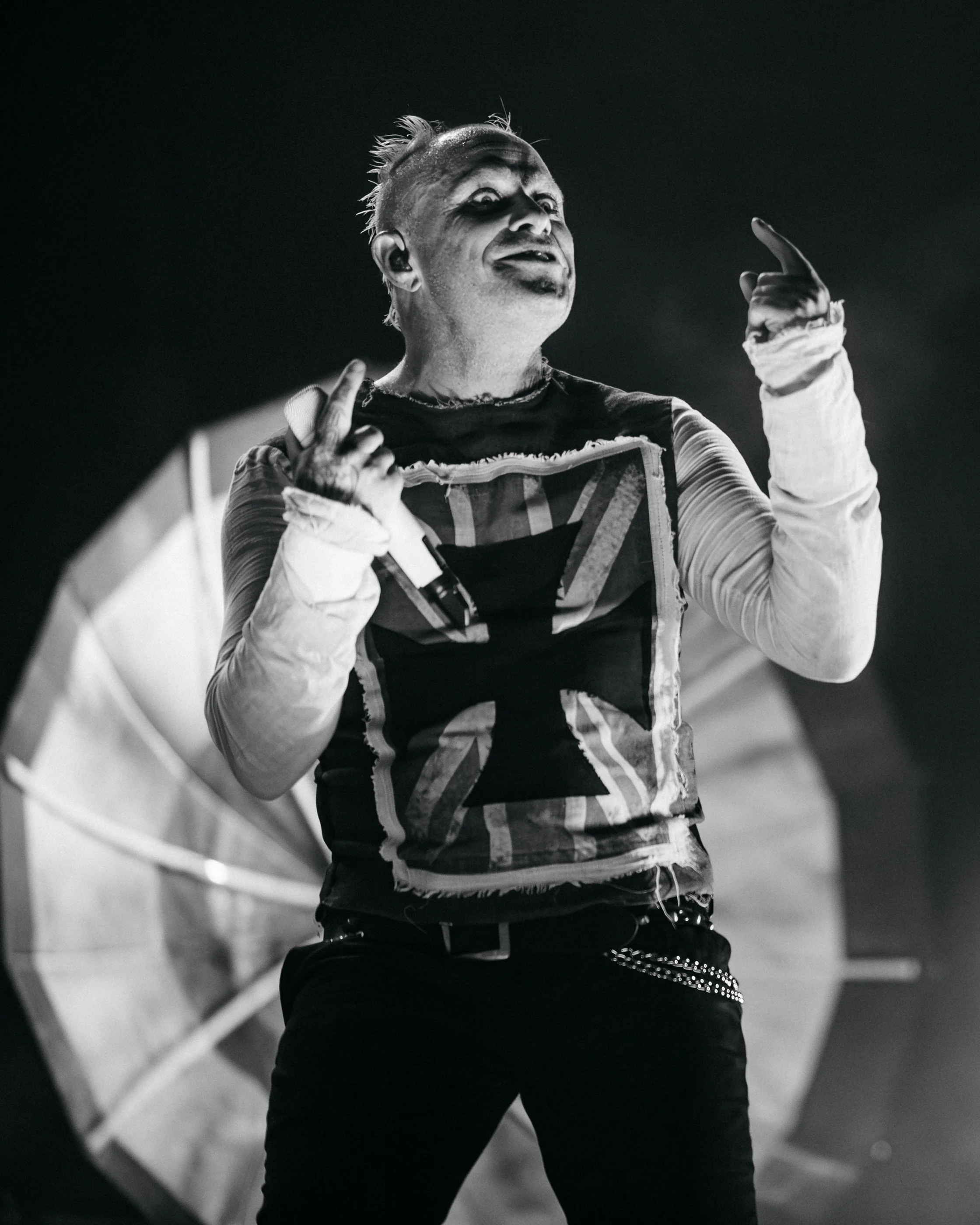
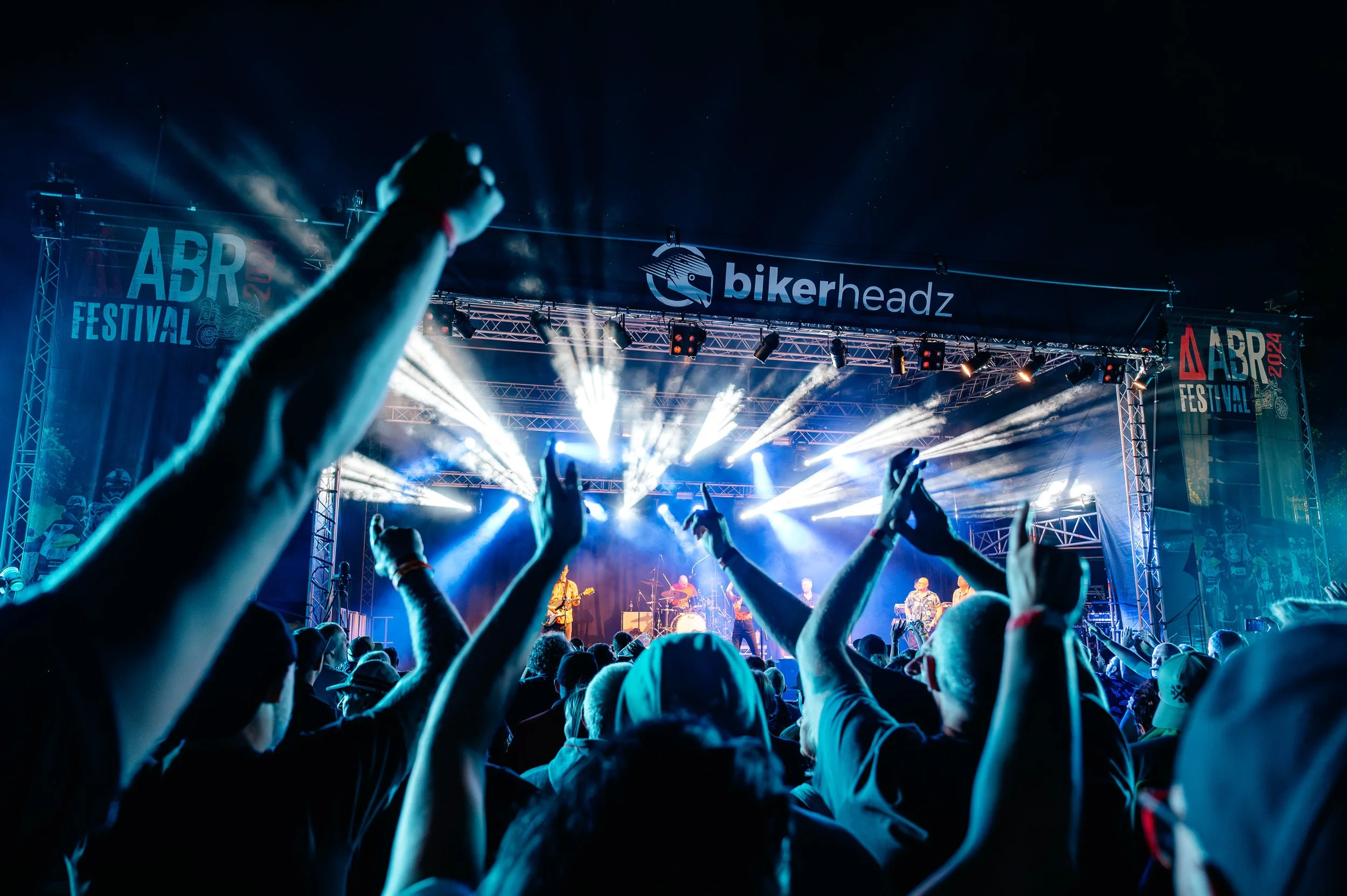
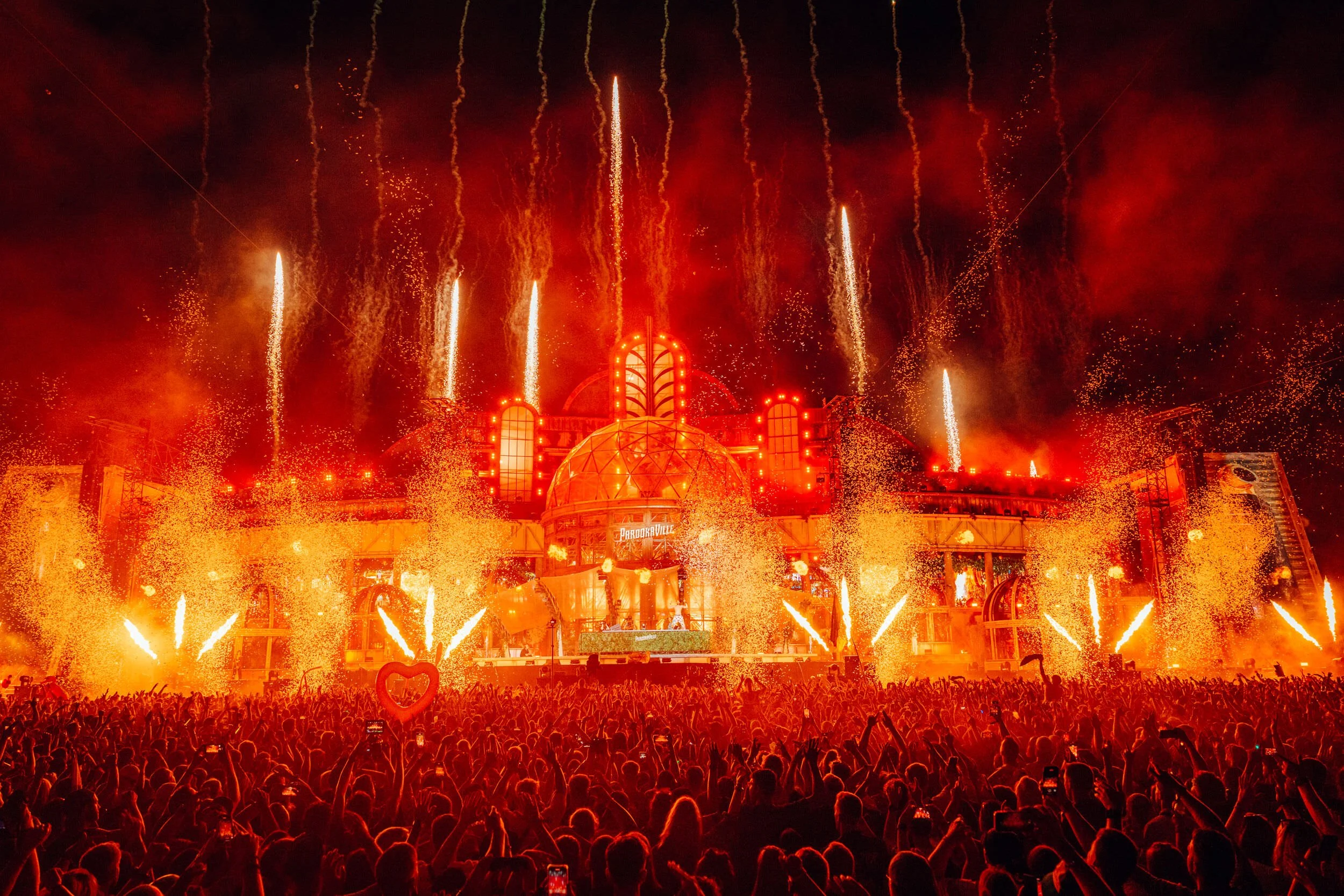
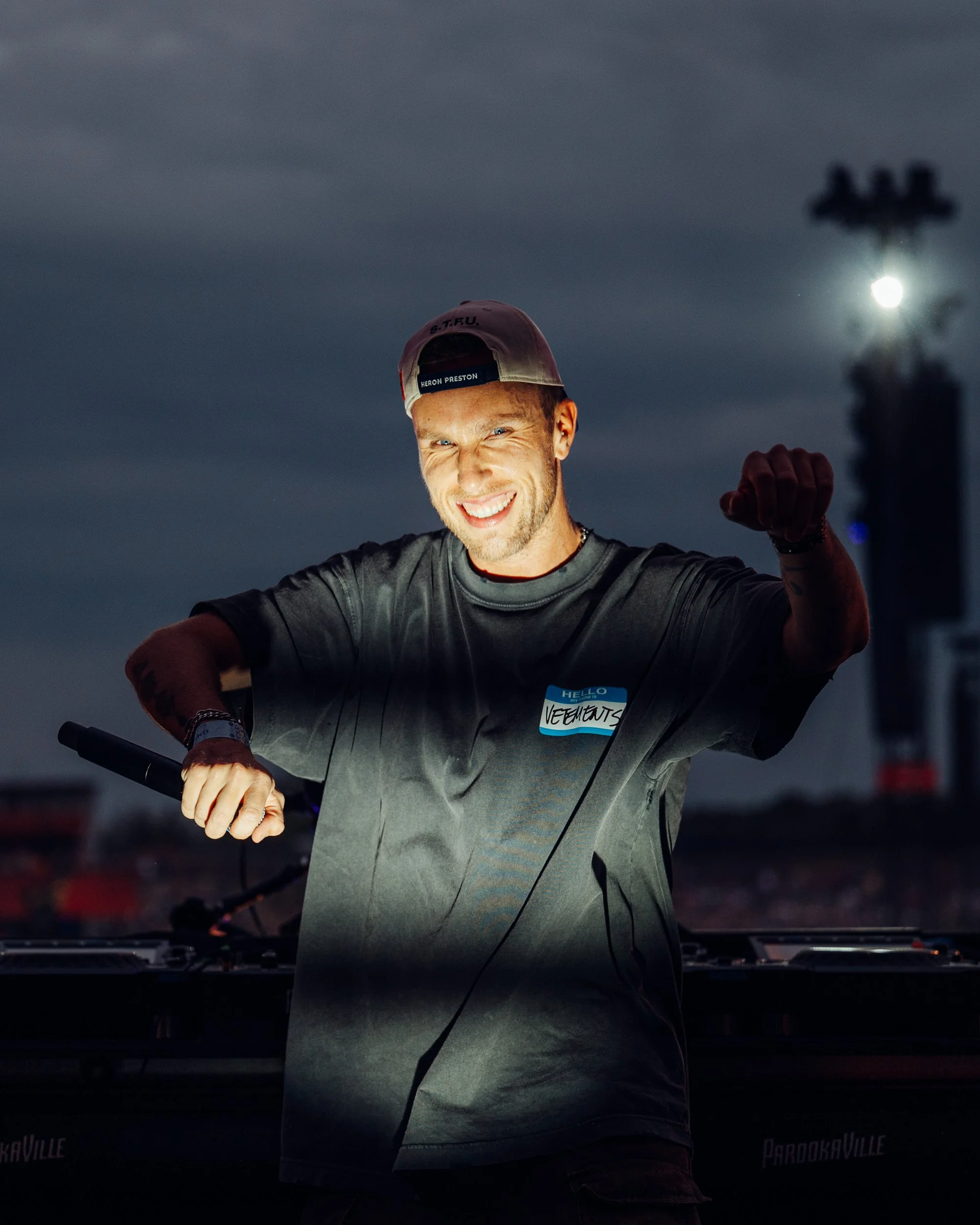
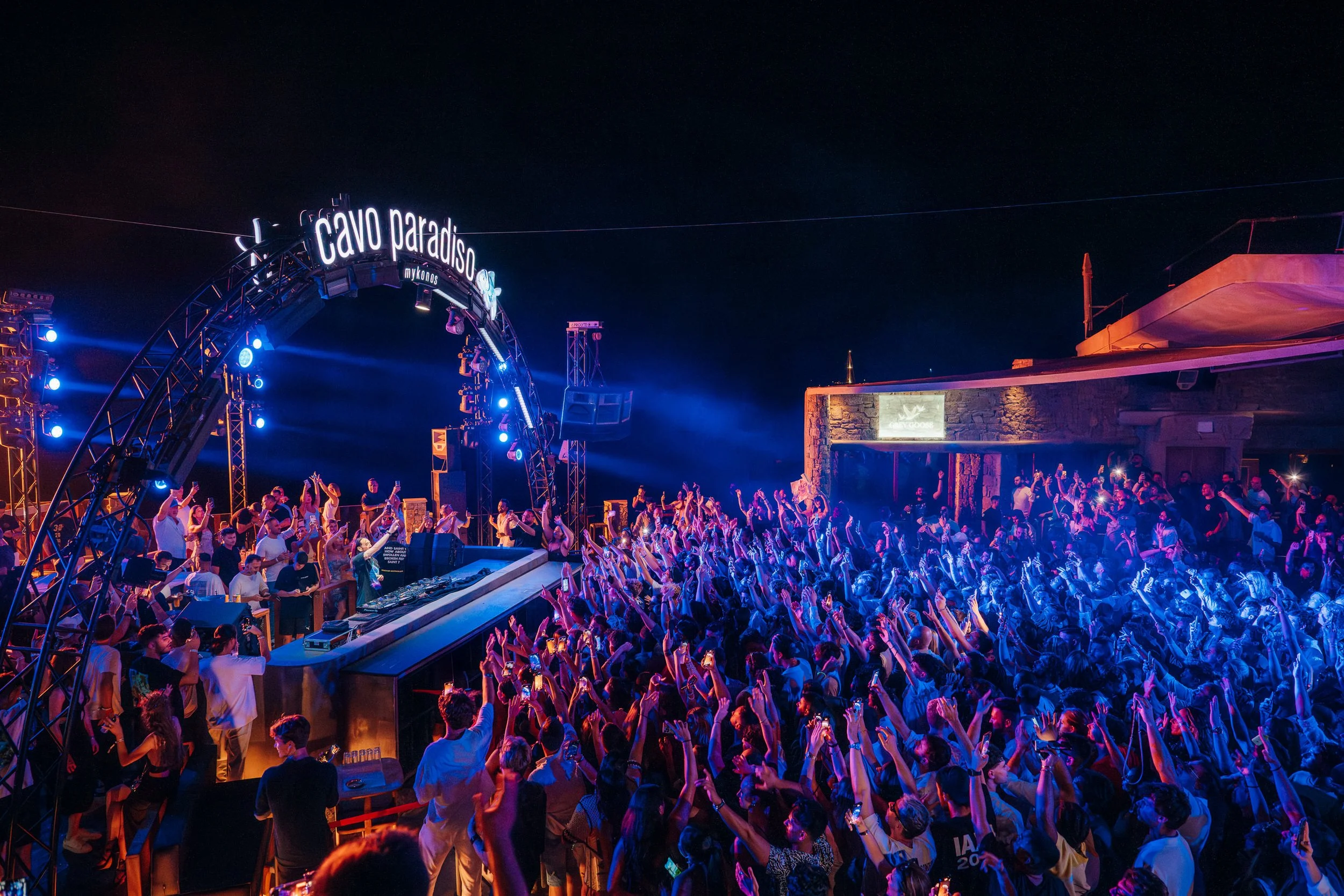
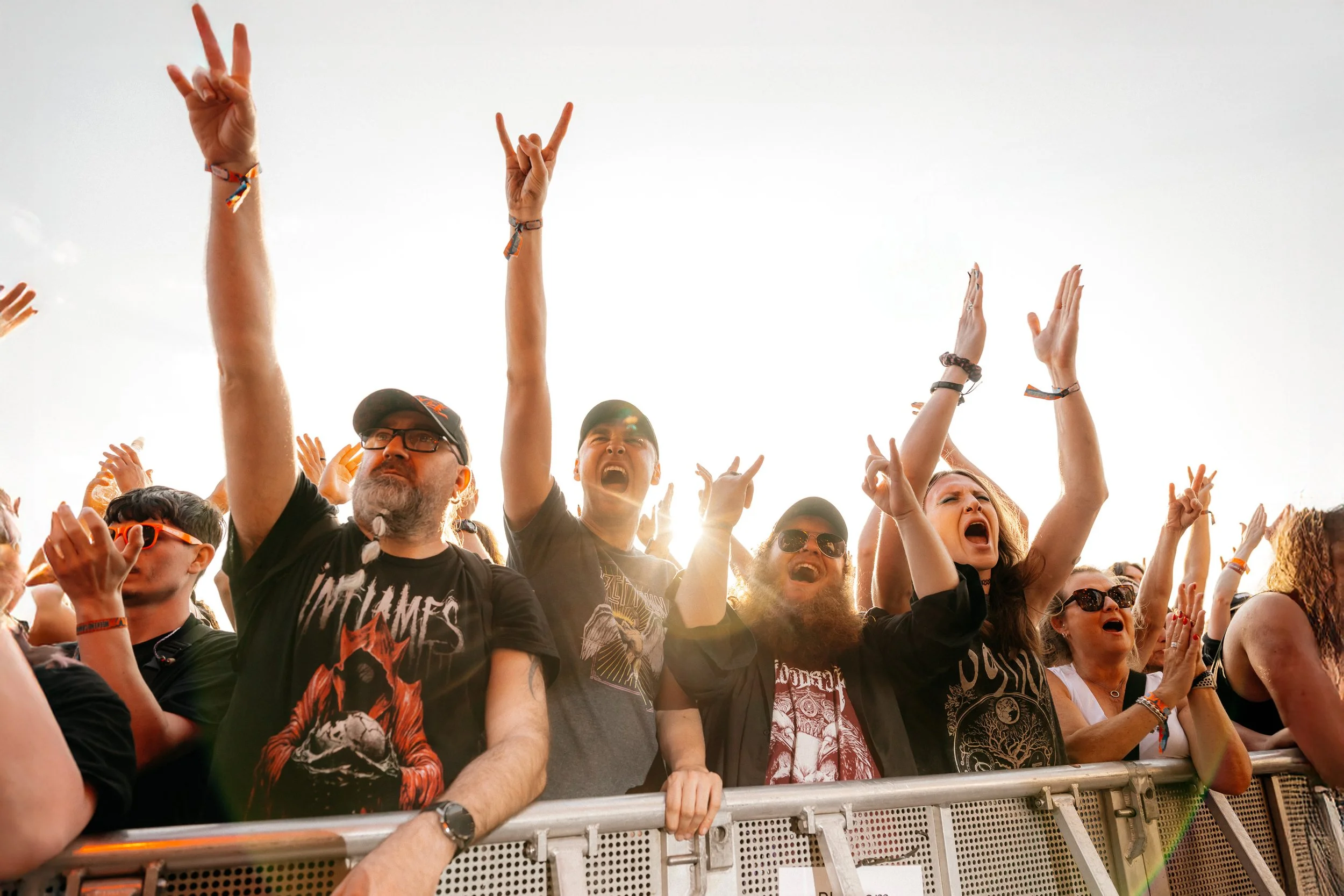
Below is a little selection of festival imagery I’ve shot over the past 2 or so years. Just a few bits that show a range of the work, and to give you some ideas to types of shots and frames you might want to explore when you’re out in the field. its easy to get overwhelmed the first time you go out and there so much happening so quickly, so my best advise is to try and slow things down and if you can just focus on your brief. Helping you to make the best use of your time each day, ultimately as you gain the experience from every event you do, the easier it gets to turn down the speed of the event and focus on exactly what you want to photograph.